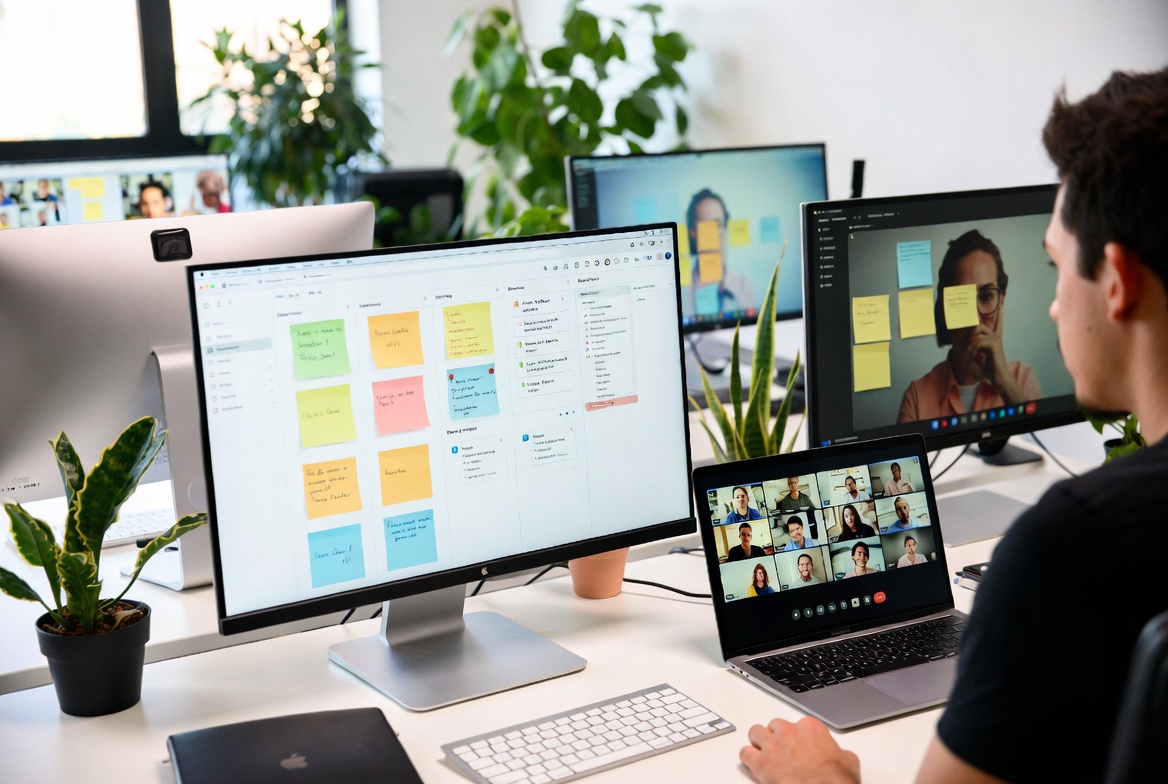
Remote business management refers to the practice of overseeing, coordinating, and optimizing all aspects of a company’s operations when teams are spread across different locations, often working from home or various cities. It involves using digital platforms for task assignment, real-time communication, project tracking, resource allocation, performance monitoring, and data sharing to ensure smooth workflows without the need for a central physical office. This approach emphasizes trust, flexibility, and technology to maintain productivity while supporting work-life balance.
In our fast-paced world, businesses are increasingly embracing distributed teams to access global talent and reduce overhead costs. Whether you run a small startup or a growing enterprise, effective tools make all the difference in keeping everyone aligned toward common goals. This article explores practical solutions that help leaders inspire their teams, foster creativity, and achieve sustainable growth in 2026.
The Growing Importance of Managing Distributed Teams
The shift toward flexible work arrangements has transformed how organizations operate. Leaders now focus on outcomes rather than hours spent at a desk, creating opportunities for greater innovation and employee satisfaction. With the right strategies, remote setups can lead to higher engagement and better results.
Families benefit when parents have more control over their schedules, allowing them to fulfill personal responsibilities while contributing professionally. This balance aligns with values of compassion, responsibility, and community support.
Key Benefits for Modern Businesses
Adopting strong systems for overseeing operations from afar brings numerous advantages:
- Enhanced Productivity: Teams can work during their peak hours, leading to better focus and output.
- Cost Savings: Reduced need for large office spaces means more resources for growth and employee development.
- Access to Diverse Talent: Hire skilled individuals regardless of geography, enriching your company with varied perspectives.
- Improved Work-Life Harmony: Employees feel valued when given autonomy, resulting in lower stress and higher loyalty.
These elements create a positive environment where people thrive both personally and professionally.
Why Remote Business Management Matters in Today’s World
Businesses that master distributed operations often see stronger resilience during unexpected challenges. Tools that support clear communication and efficient processes help maintain momentum and build a culture of mutual respect and shared purpose.
By investing in quality solutions, leaders demonstrate care for their team’s well-being while driving ethical and halal-compliant growth. This thoughtful approach encourages integrity in all dealings and promotes long-term success rooted in trust.
Top Categories of Tools for Effective Oversight
To succeed with distributed teams, organizations typically rely on several interconnected tool categories. Each serves a specific purpose while working together for comprehensive coverage.
Project and Task Management Platforms
These form the backbone of daily operations, helping assign responsibilities and track progress visually.
ClickUp stands out as a versatile all-in-one solution. It offers customizable dashboards, goal setting, time tracking, and automation features that adapt to various industries. Teams appreciate its ability to consolidate multiple workflows into one space, reducing the need to switch between apps constantly.
Monday.com excels with its colorful, intuitive boards that make complex projects easy to understand at a glance. Its automation capabilities save time on repetitive tasks, allowing focus on creative and strategic work.
Asana provides excellent structure for goal-oriented teams. Its timeline views and workload balancing features help prevent burnout by ensuring fair distribution of responsibilities.
For simpler needs, Trello uses Kanban-style boards that are beginner-friendly yet powerful enough for growing teams.
Communication and Collaboration Solutions
Clear dialogue keeps everyone connected despite distance.
Slack and Microsoft Teams facilitate instant messaging, channel organization, and file sharing. They support quick check-ins and reduce email overload while maintaining professional boundaries.
Video conferencing tools like Zoom remain essential for meaningful face-to-face interactions, team meetings, and virtual workshops that build personal connections.
Document and Knowledge Management
Centralized storage ensures everyone accesses the latest information.
Google Workspace and Microsoft 365 enable real-time collaboration on documents, spreadsheets, and presentations. These platforms support version history and secure sharing, crucial for maintaining accuracy.
Notion serves as a flexible workspace for creating wikis, databases, and project notes that evolve with your needs.
Time Tracking and Performance Insights
Understanding how time is invested helps optimize efforts without micromanaging.
Tools like Hubstaff or integrated features in other platforms provide gentle insights into productivity patterns, empowering teams to improve efficiency ethically.
Essential Features to Look For in 2026 Tools
When selecting solutions, prioritize those offering:
- Mobile Accessibility: Full functionality on smartphones for teams on the go.
- AI-Powered Assistance: Features that suggest optimizations or summarize discussions.
- Integration Capabilities: Seamless connections between different apps.
- Security and Compliance: Strong data protection aligned with ethical standards.
- User-Friendly Interfaces: Intuitive designs that require minimal training.
These attributes ensure tools support rather than complicate daily work.
How to Choose the Right Tools for Your Team
Start by assessing your specific needs. Small teams might prefer simple, affordable options, while larger organizations benefit from scalable enterprise features.
Consider trial periods to test compatibility with your workflows. Gather feedback from team members who will use the tools daily—this inclusive approach fosters ownership and smoother adoption.
Budget thoughtfully, focusing on long-term value rather than just initial costs. Many platforms offer free tiers suitable for startups.
Explore insightful business news and trends to stay updated on emerging best practices that complement your tool choices.
For practical inspiration on launching ventures with minimal resources, check resources on low investment business ideas that pair well with efficient management systems.
Real-World Success Stories and Best Practices
Many businesses have transformed their operations through thoughtful implementation. A marketing agency, for instance, used integrated platforms to coordinate campaigns across continents, resulting in faster delivery and happier clients.
Best practices include:
- Setting clear expectations through documented processes.
- Scheduling regular virtual team-building activities to strengthen bonds.
- Encouraging open feedback loops for continuous improvement.
- Celebrating achievements to maintain positive morale.
These habits create an uplifting atmosphere where individuals feel part of something meaningful.
Remote business management truly shines when combined with genuine care for people and ethical decision-making.
Leaders who model balance and integrity inspire their teams to do the same, leading to harmonious and productive environments.
Integrating Tools for Maximum Efficiency
The real power comes from creating an interconnected ecosystem. Link your project platform with communication apps and document storage for effortless data flow.
Automation plays a key role here—set rules that handle routine notifications or approvals, freeing human energy for higher-value contributions like creative problem-solving and relationship building.
Regular reviews of your tech stack ensure it evolves with your business needs.
For detailed analysis on industry developments, business news sources provide valuable context on technological advancements.
Overcoming Common Challenges
Distributed operations come with hurdles like time zone differences and potential isolation. Address these through:
- Flexible scheduling that respects individual circumstances.
- Asynchronous updates so progress continues around the clock.
- Virtual social events that nurture community spirit.
Emphasize training and support to help everyone maximize tool benefits. Patience and empathy go a long way in building resilient teams.
Future Trends in Distributed Operations
In 2026 and beyond, expect greater incorporation of artificial intelligence for predictive analytics and personalized recommendations. Virtual reality may enhance collaborative spaces, making distant interactions feel more natural.
Sustainability will influence choices, with preferences for energy-efficient cloud solutions. Focus on tools that support ethical data practices and promote positive societal impact.
Staying informed through reputable platforms helps navigate these developments wisely.
Practical Implementation Tips
Begin with a pilot phase involving a small group before full rollout. Document successes and lessons learned to refine your approach.
Invest in ongoing education to keep skills sharp. Encourage knowledge sharing among team members to build collective expertise.
Remember that technology serves people—keep human connections at the heart of your strategy.
For comprehensive insights into project coordination approaches, refer to this Forbes guide on project management software.
Conclusion: Building a Thriving Distributed Future
Embracing quality tools for overseeing operations from anywhere opens doors to remarkable possibilities. By selecting solutions that align with your values and needs, you create environments where innovation flourishes and individuals grow.
The journey toward excellent distributed operations rewards those who approach it with sincerity, patience, and a commitment to excellence. As you implement these recommendations, focus on nurturing trust and celebrating progress along the way.