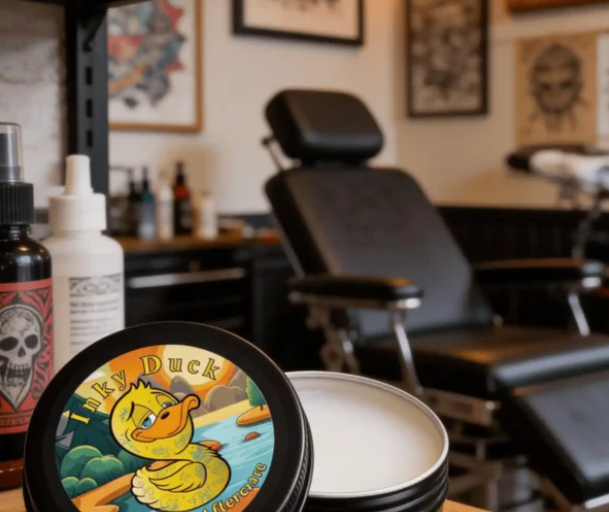
Getting a new tattoo is an exciting experience, but proper aftercare is essential for helping the skin recover and keeping the artwork looking its best. A fresh tattoo needs gentle care, consistent moisturizing, and protection from unnecessary irritation. Choosing a suitable tattoo balm can be an important part of a simple aftercare routine, especially during the early stages of healing.
A tattoo is essentially an intentional design created within the skin, so the treated area needs time to settle. During the first few days, the skin may feel sensitive, appear slightly red, or produce a small amount of fluid. Following the instructions provided by your tattoo artist is one of the most important parts of the best tattoo aftercare routine because artists may recommend different products and care methods depending on the tattoo and your skin.
Why Tattoo Aftercare Matters
Proper aftercare helps create a clean environment while the skin heals. A new tattoo can become dry or uncomfortable as it recovers, making gentle moisturizing particularly useful. However, applying too much product can leave the skin overly greasy and may interfere with normal healing.
The goal of best tattoo aftercare is not to use as many products as possible. Instead, it involves maintaining a simple routine that supports the skin while avoiding unnecessary friction, picking, scratching, and exposure to potential irritants.
Choosing a Tattoo Balm
A quality tattoo balm is generally designed to provide moisture and help prevent excessive dryness during the healing process. When selecting one, look for a product intended specifically for tattoo or sensitive-skin care. It is also helpful to check the ingredient list and avoid anything that has previously caused irritation for you.
A small amount is usually preferable to applying a thick layer. The skin should not feel heavily coated or constantly wet. If your tattoo artist has recommended a particular balm or moisturizer, following those instructions is generally the best approach.
A Simple Aftercare Routine
Good tattoo care begins with cleanliness. Always wash your hands before touching a healing tattoo. Follow your artist’s instructions regarding when and how to remove any initial covering.
Once you are instructed to clean the tattoo, use a gentle approach. Avoid aggressive scrubbing, rough towels, or unnecessary rubbing. After cleaning, pat the area dry with a clean, soft material rather than dragging anything across the skin.
Once the tattoo is appropriately clean and dry, you can follow the recommended moisturizing routine. If a tattoo balm is part of your artist’s instructions, apply a thin layer rather than repeatedly covering the tattoo with large amounts.
During healing, avoid picking at flakes or peeling skin. It can be tempting to remove loose pieces, especially when the tattoo becomes itchy, but allowing the skin to naturally shed is an important part of recovery.
What to Avoid While Your Tattoo Heals
Some everyday activities can create unnecessary problems for a new tattoo. Excessive friction from tight clothing can irritate the area, while scratching may damage healing skin. It is also wise to avoid soaking a fresh tattoo in pools, hot tubs, or baths until your tattoo artist or healthcare professional indicates that it is appropriate.
Sun exposure is another consideration. A fresh tattoo should be protected from direct sunlight while it heals. After healing, using appropriate sun protection can help reduce the effects of UV exposure on both the skin and tattoo appearance.
Avoid experimenting with multiple products at the same time. If you introduce several new creams, balms, or fragrances, it can become difficult to determine what caused irritation if your skin reacts.
Understanding the Healing Process
Tattoo healing varies from person to person. Different body locations, tattoo sizes, techniques, and individual skin characteristics can affect the process. Some people experience more dryness or peeling than others.
A healing tattoo may look different from day to day. Mild changes in appearance can occur as the outer layer of skin recovers. Rather than judging the final appearance during the early healing stage, give the skin adequate time to settle.
The best tattoo aftercare routine is usually consistent and uncomplicated. Clean the area according to professional instructions, moisturize appropriately, avoid unnecessary irritation, and give your skin time to recover.
When to Seek Professional Advice
While some temporary redness, sensitivity, dryness, and peeling can occur after tattooing, unusual or worsening symptoms should not be ignored. Significant swelling, increasing pain, spreading redness, unusual drainage, fever, or other concerning changes can warrant professional medical advice.
If you are uncertain whether a reaction is normal, contacting a qualified healthcare professional is a safer choice than attempting to diagnose the problem yourself. You can also contact your tattoo artist if you have questions about their specific aftercare instructions.
Keeping Your Tattoo Looking Good
After the initial healing period, tattoo care becomes much simpler. Keeping the skin moisturized can support a healthy-looking appearance, while protecting the tattooed area from excessive sun exposure can help preserve its appearance over time.
A tattoo balm may be useful during the appropriate stage of aftercare, but long-term tattoo maintenance is mostly about taking care of your skin as a whole. Regular moisturizing, gentle cleansing, and sensible sun protection can all contribute to healthier-looking skin.
Ultimately, best tattoo aftercare means listening to your tattoo artist’s instructions and paying attention to how your skin responds. Every tattoo and every person is different, so a simple, gentle, consistent routine is often more useful than an unnecessarily complicated collection of products.