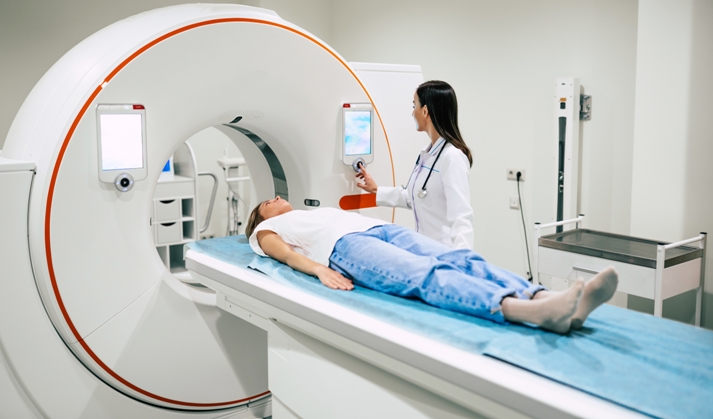
When a doctor recommends a CT scan, it is natural to have questions: Why is the scan needed? How does it work? Is any preparation required? How long will it take? Finding a reliable CT Scan Centre in Pune can make the diagnostic process more comfortable and convenient.
A CT scan, or Computed Tomography scan, is an imaging test that uses X-rays and computer technology to create detailed cross-sectional images of the inside of the body. It can help doctors examine bones, organs, blood vessels, and soft tissues and support them in evaluating different health concerns.
If you have been advised to undergo a CT scan, choosing a diagnostic centre that follows appropriate procedures and provides clear patient guidance is an important part of the process.
What Is a CT Scan?
A CT scan is an advanced medical imaging procedure that produces detailed images of specific areas of the body. Unlike a conventional X-ray, which generally provides a flat image, CT technology creates multiple images from different angles.
These images can then be viewed as cross-sections, helping doctors understand the internal structures of the body more clearly.
Depending on the area being examined and the doctor’s recommendation, a CT scan may be performed for the:
-
Head or brain
-
Chest
-
Abdomen
-
Pelvis
-
Spine
-
Bones and joints
-
Sinuses
-
Other specific areas of the body
A CT scan may be performed with or without contrast material, depending on what the doctor needs to evaluate.
Why Is a CT Scan Performed?
Doctors may recommend a CT scan when detailed internal images are needed to evaluate a particular health concern.
Common reasons for a CT scan can include:
-
Evaluating injuries after an accident or trauma
-
Examining bones and certain fractures
-
Assessing the chest or lungs
-
Evaluating abdominal or pelvic problems
-
Investigating persistent or unexplained symptoms
-
Examining certain blood vessels when appropriate
-
Supporting treatment planning or follow-up
-
Providing detailed images before or after certain medical procedures
The exact reason for the scan depends on your symptoms, medical history, and your doctor’s assessment.
How Does a CT Scan Work?
The CT scan procedure is generally straightforward.
Step 1: Patient Preparation
Depending on the type of CT scan, you may be asked to change into suitable clothing and remove metal objects such as jewellery or accessories.
If contrast material is required, the diagnostic team may provide additional instructions.
Step 2: Positioning
You will lie on a motorised examination table. The table moves slowly through the CT scanner, which has a circular opening.
Step 3: Image Capture
The scanner takes multiple X-ray images as it moves around the area being examined. A computer processes these images to create detailed cross-sectional views.
You may need to remain still and, for some scans, briefly hold your breath when instructed.
Step 4: Completion
Once the required images have been captured, the scan is complete. A radiology professional reviews and interprets the images, and the report is provided according to the centre’s process.
How Long Does a CT Scan Take?
The actual imaging portion of many CT examinations can be relatively quick. However, the total time at the diagnostic centre can vary depending on:
-
The type of CT scan
-
The body part being examined
-
Whether contrast material is required
-
Preparation requirements
-
The centre’s workflow
Your diagnostic centre can provide more specific instructions when you book your examination.
How Should You Prepare for a CT Scan?
Preparation depends on the type of CT examination.
Your doctor or diagnostic centre may advise you to:
-
Follow fasting instructions if required
-
Drink water as instructed
-
Inform the staff about your current medicines
-
Tell the medical team about known allergies
-
Inform them about any previous reaction to contrast material
-
Inform the team if you are pregnant or think you may be pregnant
-
Carry your doctor’s prescription or scan referral, if applicable
Do not stop prescribed medicines unless your doctor or healthcare professional specifically tells you to do so.
CT Scan With Contrast: What Should You Know?
Some CT examinations require a contrast material to make certain structures easier to see in the images. Contrast may be given in different ways depending on the examination.
Before a contrast-enhanced CT scan, the healthcare team may ask about allergies, previous reactions, medical conditions, and other relevant health information.
Always provide accurate information to the diagnostic team so they can guide you appropriately.
Benefits of Choosing a Reliable CT Scan Centre in Pune
When selecting a diagnostic centre, patients often look for more than just location. Important considerations include:
-
Clear instructions before the examination
-
Proper patient registration and identification procedures
-
Appropriate imaging protocols
-
Qualified healthcare professionals
-
Comfortable patient support
-
Timely communication regarding the examination and report
-
Convenient appointment scheduling
-
Transparent information about preparation and applicable charges
A reliable diagnostic experience can help reduce confusion and make the scanning process easier for patients and their families.
Factors That Can Affect CT Scan Cost
The cost of a CT scan can vary between examinations and diagnostic centres. It is better to confirm the applicable charges before booking rather than relying on a general online estimate.
Factors that may affect the cost include:
-
Type of CT scan
-
Body part being examined
-
Whether contrast material is required
-
Single-area or multiple-area examination
-
Additional services included with the scan
-
Diagnostic centre and location
For accurate information, contact the diagnostic centre directly and ask about the specific CT examination prescribed by your doctor.
When Should You Consult a Doctor?
A CT scan should generally be performed when recommended by a qualified healthcare professional based on your symptoms or medical requirements.
If you have persistent, unusual, or concerning symptoms, speak with a doctor rather than deciding on an imaging test on your own. Your doctor can determine whether a CT scan, X-ray, MRI, ultrasound, blood test, or another examination is appropriate.
Why Choose Diagnopein?
Diagnopein provides diagnostic healthcare services, including CT scans, as part of its range of medical diagnostic services. Patients can contact the centre to understand the available CT scan services, preparation requirements, appointment process, and applicable charges.
Before visiting, it is advisable to confirm the specific examination requirements based on your doctor’s prescription.
Frequently Asked Questions
1. How do I choose a CT Scan Centre in Pune?
Look for a centre that provides clear patient instructions, follows appropriate imaging procedures, has qualified healthcare professionals, and offers convenient appointment and reporting processes. You should also confirm that the centre provides the specific CT scan recommended by your doctor.
2. Do I need to fast before a CT scan?
Not every CT scan requires fasting. Preparation depends on the type of examination and whether contrast material is involved. Follow the instructions provided by your doctor or diagnostic centre.