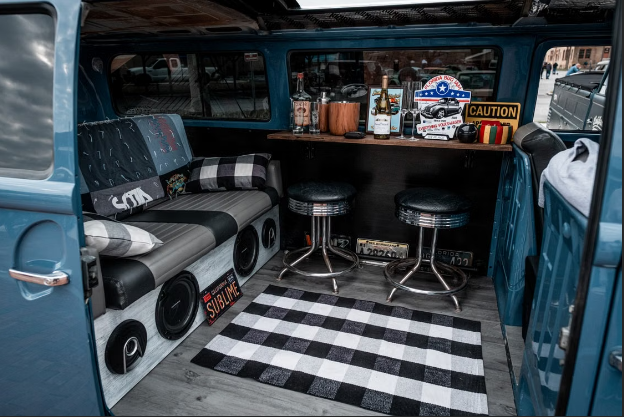
There is something about an old gas station sign, a faded racing poster, or a classic car print that instantly changes the mood of a room.
Vintage automotive décor does more than fill wall space. It brings back memories of road trips, neighborhood garages, family cars, and an era when design felt more distinctive. That emotional pull is one reason these pieces are appearing again in garages, offices, man caves, and even living spaces.
But nostalgia is only part of the story.
So why is vintage automotive decor making such a strong comeback now, and what makes it feel relevant again? Read the blog below to find out.
Key Takeaways
- Automotive nostalgia often starts with a personal memory, not a decorating trend.
- Historic brand graphics give modern rooms a visible story and sense of place.
- Reproductions make old advertising styles easier to use without risking rare originals.
- Mixing one or two meaningful objects with modern furnishings keeps the look from becoming themed.
- Collectors can build slowly around specific brands, eras, models, or family connections.
Why Vintage Automotive Decor Feels Relevant Again
Memory Becomes Visible
Cars often mark life events. People remember the station wagon used for family trips, the coupe they wanted in high school, the truck a parent drove, or the first vehicle they repaired themselves. Artwork turns those memories into something visible without requiring ownership of the actual car.
A set of Buick canvas prints might connect someone to a family dealership, while Mercury wall art can recall a model that once sat in a driveway. The object is decorative, but the reason for choosing it is personal.
Brand Heritage Has Texture
Older vintage automotive decor was made for magazines, showrooms, service departments, highways, and dealer windows. Their lettering, illustration, color, and slogans carry the visual habits of their time. That texture is difficult to reproduce with generic modern decor.
The Smithsonian describes advertising as a force that linked products with status, convenience, and personal improvement. When those older messages are viewed decades later, they become cultural artifacts as well as sales material.
Collections Tell Stories
Nostalgic decor becomes more interesting when it follows a theme. Some collectors stay with one manufacturer. Others focus on a decade, racing history, service-station graphics, road trips, or dealership material from a hometown. A theme provides a filter for future purchases.
Dodge decor beside a period tool cabinet can support a performance-focused garage, while Chevrolet posters might anchor a room built around postwar road-trip imagery. The collection feels stronger when each addition extends the same story.
Modern Rooms Need Contrast
Many current interiors use simple furniture, clean walls, and neutral colors. A vintage automotive decor adds contrast without requiring a full retro renovation. One framed advertisement above a desk or cabinet can supply color, typography, and history in a controlled way.
This is why automotive nostalgia can work outside the garage. An office, den, hallway, or studio can carry one carefully chosen image without becoming a themed room.
Reproductions Expand Access
Original advertising can be fragile, expensive, or difficult to find in the right size. Reproductions allow people to enjoy historic imagery without putting a rare paper object in a hot garage or high-traffic room. They also make it easier to build matched sets.
The important distinction is clear labeling. A reproduction should be enjoyed for what it is, not sold as a period original. For many decorating projects, accessibility and visual impact matter more than rarity.
The Hobby Can Grow
Unlike a fixed decorating package, a nostalgic automotive collection can develop over the years. A poster might lead to a model car, a brochure, a badge, a photograph, or a sign. The room changes as new connections are discovered.
That gradual growth is part of the appeal. Vintage automotive decor becomes less about following a trend and more about building an environment that reflects the cars, brands, and memories the owner genuinely cares about.
Conclusion
The return of Vintage Automotive Decor makes sense because nostalgia gives design a personal reason to matter. Old advertising styles bring color and history, but the strongest connection usually comes from the memory behind the image.
A thoughtful collection does not need to be large. Start with one brand, model, decade, or family story, then add pieces that support it. The result feels more personal than a room filled with unrelated retro objects and gives the space a story that can keep growing.
FAQs
Can modern cars inspire it?
Yes. A current owner may collect older advertising from the same brand to connect a modern vehicle with the company history behind it.
Where should collections start?
Start with one subject you already care about. A specific model, decade, dealership, or racing series gives the collection a useful boundary.
Are digital prints acceptable?
Yes, when the source and licensing are appropriate. High-quality digital printing can make historic-style imagery practical for everyday display.
Can families share collections?
Yes. A wall built around vehicles owned by parents or grandparents can become a simple visual family history as well as room decor.