High-temperature industrial systems put piping materials through conditions that ordinary steel cannot handle for long. Elevated temperatures, oxidation, thermal cycling, and corrosive process media attack a pipe wall at once. Inconel 600 pipes answer this challenge as a nickel-chromium alloy piping material built to resist oxidation and corrosion under sustained heat. Facilities that need heat-resistant nickel alloy 600 pipes turn to this grade because it pairs heat resistance with corrosion resistance and mechanical strength in one product. That combination is exactly why the alloy gets specified for selected high-temperature applications across process industries.
What Are Inconel 600 Pipes?
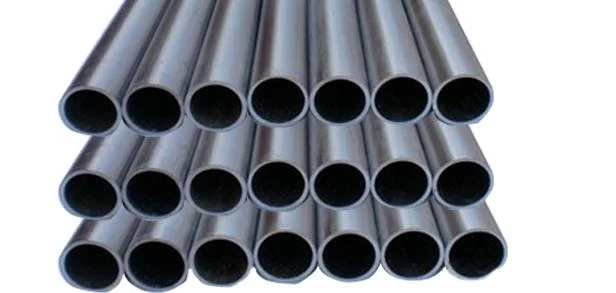
Inconel 600 pipes are a nickel-chromium-iron alloy product identified by the UNS designation N06600. It is mainly nickel, typically in excess of 72%, which provides strong resistance to many corrosive environments. Chromium, which is usually in the range of 14 to 17%, forms a protective oxide film and enhances the oxidation resistance at high temperatures. The balance of iron stabilises the alloy. The pipes are available in seamless or welded construction and in sizes for use in process piping, heat exchangers and furnace service.
Why Are Inconel 600 Pipes Used at High Temperatures?
High temperature piping systems are associated with many hazards. Oxidation slowly ruins exposed metal. Repeated heating and thermal expansion stress welds and joints. Heat can also reduce the strength of materials not designed for such service. Corrosive gases and hot process fluids may also limit the performance of carbon steel and stainless steel piping. These conditions are protected against by the composition of alloy 600 (nickel-chromium), which forms an oxide layer and maintains its toughness and corrosion resistance.
Key Properties of Inconel Alloy 600 Pipes
-
Good oxidation resistance from the chromium-rich surface layer that forms and holds under sustained heat exposure.
-
Resistance to various corrosive environments, including certain acids, alkaline solutions, and organic compounds encountered in process lines.
-
Good mechanical strength retained across a working temperature range, supporting pipe integrity under load.
-
Useful performance at elevated temperatures makes the alloy relevant to furnace, heat treatment, and process-heating applications.
-
Resistance to chloride-ion stress corrosion cracking in suitable conditions, an advantage over standard austenitic stainless grades.
-
Thermal stability that limits microstructural changes during repeated heating and cooling cycles.
-
Good fabrication characteristics, allowing forming and machining using standard nickel-alloy practices.
-
Good weldability with appropriate procedures, including matching filler metals and controlled heat input.
Actual performance is always a function of the specific temperature, atmosphere, pressure and process chemistry.
Benefits of Alloy 600 Pipes in High-Temperature Systems
-
Dependable service at high temperatures for continuous operation in furnace and process-heating equipment.
-
Resistance to oxidation and scaling that minimizes surface material loss during prolonged exposure to heat.
-
Lower risk of corrosion degradation if the alloy is properly matched with the process fluid and environment.
-
Mechanical durability in combined thermal and mechanical loading conditions.
-
Thermal cycling suitability, where less stable materials would be fatigued by heating and cooling.
-
Proper selection and installation can ensure a long service life.
-
Good fabrication and joining characteristics, simplifying pipe spool assembly and field welding.
High-Temperature Applications of UNS N06600 Pipes
Chemical Processing: Process lines exposed to elevated temperatures and corrosive media rely on the alloy’s dual resistance to prevent simultaneous heat and chemical attack on the pipe wall.
Power Generation: Selected high-temperature piping and process systems use the alloy where oxidation resistance and mechanical strength both matter under sustained thermal load.
Petrochemical Industry: The best piping for hot process streams and corrosive service is an alloy that resists degradation by heat and chemical exposure.
Heat Treatment: High-temperature furnaces and thermal-processing equipment depend on components that hold their shape and surface integrity through repeated firing cycles.
Aerospace and Specialized Engineering: Selected systems requiring heat and corrosion resistance use the alloy where component reliability under extreme conditions directly affects safety.
Factors to Consider When Selecting Inconel 600 Pipes
Selecting the correct pipe begins with understanding the real operating temperature and pressure the system will face in service. The process fluid is equally important because corrosion resistance depends on the chemical environment. Whether the pipe carries gas or liquid, and whether conditions are oxidizing or reducing, affects long-term surface performance. Thermal cycling can also reduce fatigue life at welds and fittings. The diameter, the wall thickness, and whether the construction is seamless or welded all influence how it deals with pressure and stress. Fabrication and welding needs should be reviewed early, and ASTM/ASME standards, testing, and certification verify that the pipe meets required mechanical and chemical specifications before installation.
Conclusion
Inconel 600 pipes are considered for high-temperature applications because they combine oxidation resistance, corrosion resistance, mechanical strength, and useful elevated-temperature performance in one alloy system. That combination does not replace careful engineering review. UNS N06600 pipes should be selected based on the actual temperature, pressure, process chemistry, atmosphere, pipe dimensions, and applicable material specifications for each project.