
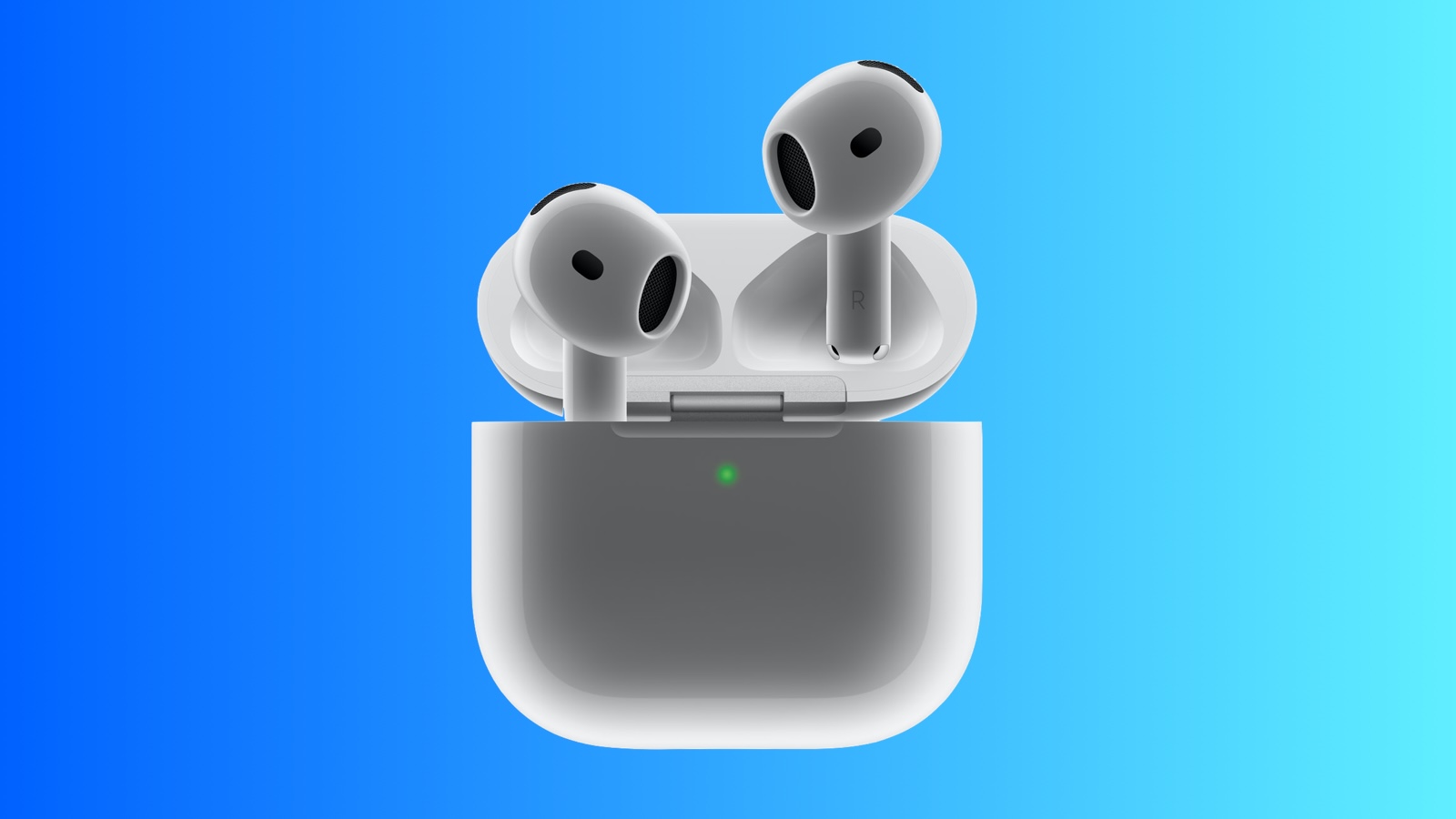
Whispers of a revolutionary upgrade have been floating through the tech world. For years, we have seen the classic white earbuds evolve from simple audio cables to miniature computers that sit inside our ears. Now, the rumor mill suggests the next big leap: visual intelligence. The concept of the new AirPods with integrated cameras sounds like something pulled from a science fiction screenplay. Imagine tapping your ear to identify a flower, get directions, or translate a sign in real-time.
But as the boundaries of wearable technology expand, a critical question emerges from the shadow of innovation: Are these devices safe? Not just for your ears, but for your privacy, your social etiquette, and your mental bandwidth.
This article will dissect the potential safety concerns surrounding the new AirPods. We will look beyond the glossy advertisements and examine the raw reality of wearing always-on cameras attached to your head. We will explore the health implications, the privacy nightmares, and the ethical lines these earbuds might cross.
Understanding the Technology: More Than Just Audio
Before we judge the safety, we must understand what is actually inside this rumored device. We are not talking about high-resolution 4K cameras meant to replace your smartphone camera. Instead, reports from supply chain analysts suggest the new AirPods will likely feature Infrared (IR) cameras or low-resolution visual sensors.
What are Visual Sensors?
These are not the same as the cameras on your phone. They are often low-resolution sensors designed for environmental mapping, not photography. Think of them as “eyes” that can see shapes, gestures, and heat signatures but perhaps not the fine print on a medicine bottle.
These sensors would likely enable features like:
-
In-Ear Gesture Control: Swiping in the air near your ear to change volume.
-
Health Tracking: Using IR to measure body temperature from inside the ear canal.
-
Augmented Reality (AR) Integration: Moving your head to interact with virtual objects.
While the technology is impressive, the safety debate hinges on three pillars: Physical health, Data privacy, and Social safety.
Physical Health Risks: The Ear and the Brain
When we ask, “Are the new AirPods safe?” the first place we look is the human body. We are inserting a piece of plastic and metal into our ears, and now we are adding electromagnetic emitters (cameras) right next to our skulls.
Electromagnetic Radiation Exposure
This is often the loudest concern. Any device that sends and receives data—especially video or image data—requires a significant amount of power and radiofrequency (RF) energy.
Current AirPods already emit Bluetooth radiation. While the World Health Organization has classified RF radiation as “possibly carcinogenic” (Group 2B), the levels from traditional Bluetooth headsets are generally considered very low. However, the new AirPods would need to stream visual data. This requires a higher bandwidth connection than audio alone, potentially increasing the RF output.
-
The Argument for Caution: Since the device sits inside the ear canal, it is mere centimeters from the temporal lobe of the brain. Skeptics argue that long-term exposure, even at low levels, has not been studied sufficiently for a device that streams live video.
-
The Counterpoint: Engineers argue that the cameras will be extremely low-power, using near-field communication or optimized codecs to keep radiation lower than your average Wi-Fi router.
The Physical Fit and Pressure
Cameras take up space. To fit a lens, an IR emitter, and a processor into the stem or the bud of the new AirPods, Apple engineers would have to rearrange the internal anatomy. This could lead to a bulkier fit.
For many users, current AirPods already cause discomfort or ear fatigue. Adding physical components increases the weight inside the ear. A heavier earbud can lead to:
-
Cartilage pressure sores: Extended use could irritate the sensitive folds of the outer ear.
-
Increased wax impaction: A larger device blocking the canal can push earwax deeper, leading to hearing loss or tinnitus.
Thermal Safety (Heat)
Do cameras get hot? Yes. Your smartphone gets warm when you record video. Imagine that heat being generated directly against the skin of your ear canal.
The ear canal is a sensitive, enclosed space. The new AirPods would need revolutionary cooling systems to prevent low-temperature burns. If the processor runs hot while processing visual data, the user might feel a painful burning sensation inside the ear. Manufacturers are aware of this, but thermal management in a tiny plastic shell is a massive engineering challenge.
Privacy and Surveillance: The Elephant in the Room
If the health risks are manageable, the privacy risks are catastrophic. We live in a world where people already feel uncomfortable when they see someone wearing Google Glass. The new AirPods are even more insidious because they are discreet.
The “Always Watching” Fear
Most people wear AirPods daily. In a coffee shop, an office, or a public park, it is normal to see white stems sticking out of ears. If those stems contain cameras, suddenly everyone becomes a potential recorder.
Consider these scenarios:
-
The Gym: You are changing your shirt. The person next to you is wearing the new AirPods. Is the camera on? Are they recording? You have no visual cue because the lens might be black and hidden.
-
The Office: A colleague walks into a private meeting. Their earbuds are recording the whiteboard. Later, that data is uploaded to a cloud server you cannot control.
-
The Home: Children playing with an adult wearing these earbuds. The device captures audio and visual data of the child’s activities.
Data Storage and Hacking
This is the most critical Islamic and ethical concern: Harm to others through spying. In Islam, privacy is a sacred right. The Quran states: “O you who have believed, avoid much [negative] assumption. Indeed, some assumption is sin. And do not spy or backbite each other” (Surah Al-Hujurat 49:12).
If the new AirPods are hacked, they become a bugging device. A bad actor could potentially:
-
Stream a live video feed from your ear to the internet without your knowledge.
-
Access your visual search history (what you looked at, where you walked).
-
Use the IR camera to see heat signatures inside your home (detecting body heat through walls is theoretically possible with advanced IR).
Even if Apple builds the most secure walled garden, no system is unhackable. The NSA, governments, and criminal organizations have historically breached “secure” devices. Putting a camera on your ear is like putting a keyhole on your front door and leaving the key in it.
Social Consent
In many cultures and in Islam, entering a private space requires permission. Visual recording without consent is a form of harm (darar). The new AirPods challenge the concept of consent because they are invisible.
If you walk into a mosque with these earbuds, are you recording the Imam? Are you capturing the faces of people making Du’a? Traditional cameras are held up and visible. The new AirPods hide in plain sight. This lack of a “recording light” (like the red light on a security camera) violates the fundamental trust required for human interaction.
Mental and Cognitive Safety: The Distraction Epidemic
We often forget that safety is not just physical—it is mental. Our brains are not designed to process visual data constantly streaming from the side of our head.
Sensory Overload
Your eyes already see what is in front of you. Your ears hear what is around you. Now, imagine your new AirPods are feeding visual data about what is behind you or above you into your audio stream.
“Left side, a bicycle approaching.”
“Behind you, a child is running.”
While this sounds helpful for safety, it actually fragments your attention. The human brain has a limited bandwidth for decision-making. Studies on “inattentional blindness” show that when we listen to navigation prompts, we often fail to see obvious hazards directly in front of us.
The Phantom Vibration of the Eye
There is a psychological phenomenon where people feel their phone vibrate even when it doesn’t. The new AirPods might introduce “visual anxiety.” You will constantly wonder:
-
Is the camera on?
-
Is someone watching my feed right now?
-
Did that person see me pick my nose?
This hyper-vigilance is exhausting. It raises cortisol levels (stress hormone). Over time, this can lead to chronic anxiety disorders. Is a “visual assistant” worth the cost of your peace of mind?
Security for the Wearer: Are You Safe?
Let’s flip the script. Forget about you spying on others. Can the new AirPods protect you from harm?
The Theft Magnet
Currently, people walk around with $200 earbuds. The **new AirPods** will likely cost $300-$400 or more. They are high-value targets. A thief on a subway doesn’t just want your phone anymore. They will look at your ears.
If you wear a visible camera on your head, you become a walking advertisement for wealth. In high-crime areas, this could physically endanger you. The device itself becomes a liability.
Distraction While Walking
We already have a crisis of “smartphone zombies” walking into traffic. The new AirPods with visual overlays (AR directions) might project arrows into your field of view (via the audio cue “turn left” or a visual flash). However, processing this data requires cognitive load.
A study by the University of Washington found that people wearing audio AR devices took 15% longer to react to sudden hazards (like a car running a red light) compared to those wearing no headphones. Adding visual processing will likely worsen this.
The Islamic Perspective: A Framework for Safety
Since we are avoiding harm, it is vital to analyze the new AirPods through the lens of Islamic ethics (Maqasid al-Shariah). Islam prioritizes the protection of five things: Religion, Life, Intellect, Lineage, and Property.
1. Protection of Life (Hifdh al-Nafs)
If the new AirPods cause physical harm (heat, radiation, distraction leading to accidents), they are Haram (forbidden) to use. The Prophet Muhammad (PBUH) said: “There should be neither harming nor reciprocating harm” (Ibn Majah). If the device strains the brain with sensory overload, it harms your life quality.
2. Protection of Intellect (Hifdh al-Aql)
Intellect is a gift from Allah. The new AirPods might impair intellect through constant distraction. If you are using them to navigate while the Quran is playing, you are fine. But if you use them to spy, cheat on exams, or record conversations without consent, you are using technology to corrupt your mind.
3. Protection of Privacy (Hifdh al-‘Ird)
This is the red line. In Islam, exposing the faults of others is a major sin. The new AirPods are literally a tool for exposing faults. Unless the device has a tamper-proof, physical, blinking red light that activates whenever the camera is on, it cannot be considered trustworthy. Without that light, the presumption is that it could be recording, creating suspicion (Su’ al-Dhann) among Muslims.
Ethical Alternatives and Usage Guidelines
If you decide to purchase the new AirPods (assuming they are released), how can you use them safely without violating Islamic or ethical norms?
The “Red Light” Rule
Never wear them in:
-
Bathrooms, changing rooms, or bedrooms.
-
Private gatherings or family homes without explicit permission from every adult present.
-
Mosques or places of worship.
The “50% Volume” Rule for Safety
To avoid distraction, do not use the visual features while driving or walking on busy streets. The camera might map the environment, but your brain cannot. Turn off “Live Feed” mode when in transit.
The “Consent” Protocol
Before entering any conversation, announce: “I am wearing visual earbuds. They are currently off/sleeping.” If you cannot say this easily, you should not wear them.
Technical Safeguards: What Manufacturers Must Do
For the new AirPods to be deemed “safe” by ethical standards, Apple (or any manufacturer) must implement mandatory hardware features, not just software toggles.
| Current Feature | Required for Safety | Why? |
|---|---|---|
| Software recording indicator | Hardware LED (always on) | A hacker can disable software. They cannot disable a physical light wired directly to the power source. |
| Local processing (on-device) | No cloud upload option for raw video | To prevent data leaks. The camera should analyze data and discard the raw image instantly. |
| User-controlled AI | Anti-spying lock | A physical switch (like the old iPhone mute switch) that cuts power to the camera entirely. |
Without these three features, the new AirPods are a surveillance risk, not a convenience tool.
Environmental and Social Impact
Let us look at the broader picture. Producing millions of new AirPods with cameras requires rare earth minerals for the lenses and sensors. Mining these minerals often involves child labor and environmental destruction (harm to the Earth, which Islam teaches us to protect as stewards, Khalifah).
Furthermore, the social impact could be devastating. Imagine a classroom where every student wears these. The teacher cannot tell who is paying attention and who is recording them for social media mockery. This destroys the trust required for education. In a marriage, a husband or wife wearing these creates an atmosphere of doubt. “Are you recording our argument?” This is poison for relationships.
Comparative Analysis: Cameras vs. No Cameras
Let’s compare the rumored new AirPods (with cameras) against standard audio-only earbuds.
Feature: Privacy for bystanders
-
Audio-only: High (No one can see you).
-
New AirPods (Camera): Very Low (Constant risk of recording).
Feature: User distraction level
-
Audio-only: Moderate (Music is distracting).
-
New AirPods (Camera): High (Visual data processing).
Feature: Battery life
-
Audio-only: 4-6 hours.
-
New AirPods (Camera): Estimated 2-3 hours (Cameras drain battery).
Feature: Risk of being hacked
-
Audio-only: Low (Audio only).
-
New AirPods (Camera): High (Video + Audio + Location).
Feature: Islamic compliance
-
Audio-only: Permissible (with good intentions).
-
New AirPods (Camera): Conditional (Only permissible if privacy is guaranteed by hardware switches).
The Verdict: Are They Safe?
After analyzing health, privacy, mental safety, and religious ethics, we arrive at a nuanced conclusion.
The new AirPods are not inherently “evil” technology. The camera itself is a neutral object. However, the context and implementation determine safety.
They are UNSAFE in the following scenarios:
-
If they lack a physical LED indicator (Software-only lights are unsafe).
-
If you live in a dense urban environment (risk of theft and collision).
-
If you have anxiety or paranoia (the “being watched” feeling will worsen).
-
If you work with confidential information (Lawyer, doctor, counselor).
They are CONDITIONALLY SAFE if:
-
You only use them at home, alone.
-
You disable the camera via a hardware switch.
-
You use them strictly for health monitoring (temperature, heart rate) and not for visual recording.
-
You inform everyone around you every single time you enable the visual features.
Practical Advice for Muslims and Conscious Consumers
As a Muslim, you are commanded to “enjoin good and forbid evil” (Al-Amr bil Ma’ruf). If you see someone using the new AirPods in a private space, you have the right to ask them to remove them.
A Checklist Before Buying:
-
Does the device have a physical kill switch for the camera?
-
Is there a bright, blinking LED visible from all angles when the camera is active?
-
Does the privacy policy state that video never leaves the device?
-
Can I use the earbuds without ever activating the camera?
-
Is the radiation emission level (SAR value) published and low?
If the answer to any of these is “No,” then the risk outweighs the benefit.
The Future of Wearable Ethics
The release of the new AirPods will be a test. It will test how much privacy we are willing to trade for convenience. It will test whether tech companies prioritize user safety over feature checklists.
We are moving toward a world where everyone is a walking CCTV camera. This is not a safe world. It is a world of paranoia, suspicion, and broken trust.
Final Thought: Just because technology can exist does not mean we should use it. The Prophet Muhammad (PBUH) said: “Part of the perfection of one’s Islam is his leaving that which does not concern him.” (Tirmidhi).
Do you need a camera in your ear? Does that concern you? Or does it distract you from the real world—the faces of your children, the voice of your spouse, the silence of your own thoughts?
The new AirPods might be a marvel of engineering. But true safety is not measured in megapixels or processors. It is measured in peace of mind. And currently, no camera-laden earbud can offer you that.