
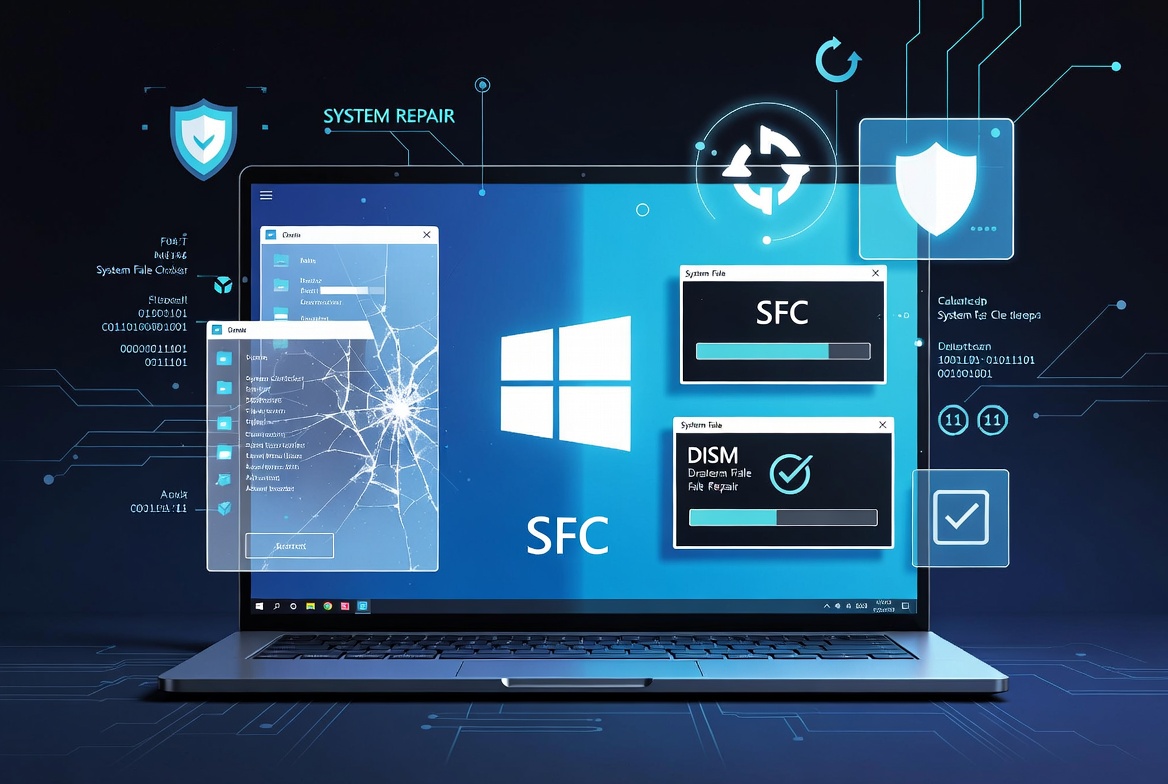
Corrupted Windows files can cause frustrating issues like sudden crashes, error messages, slow performance, or programs failing to open properly. The focus keyword repair corrupted windows files refers to the process of identifying and fixing damaged system files that are essential for your operating system’s smooth operation. These files might become altered or incomplete due to various reasons, leading to instability. Thankfully, Windows provides reliable built-in tools to scan, verify, and restore them, helping users regain control without needing advanced technical skills.
In today’s digital world, where computers are central to work, learning, and staying connected with family, maintaining a healthy system is truly a blessing. Just as we care for our physical well-being through regular check-ups, nurturing our devices ensures they serve us productively and peacefully.
Understanding What Causes Windows Files to Become Corrupted
Before diving into solutions, it helps to know why files get damaged in the first place. This knowledge empowers you to prevent future problems and approach repairs with confidence.
Common causes include unexpected power outages during critical operations, which can interrupt file writing processes. Faulty hardware, such as a failing hard drive or problematic RAM, often leads to data errors. Software conflicts during updates, incomplete installations, or even malware (though we always recommend using legitimate, safe security tools) can tamper with important files.
Other factors involve improper shutdowns, disk errors accumulating over time, or issues from third-party applications that don’t play nicely with the system. By recognizing these, you can adopt better habits like using surge protectors and keeping your device updated responsibly.
Preparing Your Computer Before Attempting Repairs
A calm, methodical approach yields the best results. Start by backing up your important personal documents, photos, and files to an external drive or safe cloud storage. This simple step brings peace of mind, knowing your cherished memories and work are protected.
Ensure your Windows is up to date through official settings, as newer patches often include stability improvements. Restart your PC in normal mode first, and close unnecessary programs to free up resources. If the system is too unstable to boot normally, you might need Safe Mode—accessible by holding Shift during restart.
Running a full antivirus scan with Windows Defender or another trusted tool can rule out malicious interference. These preparatory actions create a solid foundation, much like clearing your space before a meaningful project.
Using Built-in Tools: Your First Line of Defense
Windows comes equipped with powerful utilities designed specifically for system maintenance. These tools are free, secure, and highly effective for most everyday issues.
Running the System File Checker (SFC)
One of the most user-friendly options is the System File Checker. It scans all protected system files and replaces corrupted ones with fresh copies from a cached folder.
To use it:
- Right-click on the Start button and select “Command Prompt (Admin)” or “Windows PowerShell (Admin)”.
- Type the command: sfc /scannow and press Enter.
- Allow the process to complete fully—it may take 10-30 minutes.
The tool will report whether it found and repaired issues. This command is safe and runs in the background, restoring integrity without data loss.
Deployment Image Servicing and Management (DISM) Tool
When SFC needs extra support, DISM steps in to repair the Windows image itself. It’s often recommended to run DISM before SFC for optimal results.
Key commands include:
- DISM /Online /Cleanup-Image /CheckHealth for a quick assessment.
- DISM /Online /Cleanup-Image /ScanHealth for a deeper check.
- DISM /Online /Cleanup-Image /RestoreHealth to fix the image using Windows Update sources.
These commands work patiently and reliably, drawing on official Microsoft resources to rebuild healthy components.
Advanced Disk Checking with CHKDSK
For issues potentially rooted in storage problems, the Check Disk utility (CHKDSK) examines and repairs file system errors and bad sectors.
Open Command Prompt as administrator and type: chkdsk C: /f /r (replace C: with your system drive if different). The system will schedule this for the next restart, as it requires exclusive access.
This process can take time, especially on larger drives, but it thoroughly scans for physical and logical errors, helping maintain long-term disk health. Think of it as a thorough health examination that catches problems early.
When Standard Methods Need Extra Support
If the above tools indicate persistent issues, consider additional positive steps.
System Restore to a Previous State
Windows System Restore creates snapshots of your system at stable points. Accessing it through Search > “Create a restore point” lets you roll back changes without affecting personal files.
This feature embodies wisdom in preservation—returning to a time when everything functioned harmoniously.
Resetting or Repairing Windows
For deeper resets, the “Reset this PC” option under Settings > Update & Security > Recovery offers a fresh start while keeping files. Choose the “Keep my files” option to maintain your data.
Repair Corrupted Windows Files Using Professional Techniques
Around the midpoint of our discussion, it’s worth highlighting that learning to repair corrupted windows files opens doors to greater self-reliance and efficiency in daily computing tasks. This knowledge reduces dependency on external help and fosters a sense of accomplishment.
Combine tools sequentially: DISM first, then SFC, followed by CHKDSK. Many users report excellent outcomes by following this order patiently.
Preventive Measures for Long-Term System Health
Prevention truly is better than cure. Develop habits that honor the principle of care and stewardship over technology.
- Regularly update Windows and drivers through official channels.
- Use reliable power sources and avoid abrupt shutdowns.
- Maintain sufficient free disk space (at least 20% free).
- Install software only from trusted sources.
- Schedule periodic maintenance scans.
These practices align with values of responsibility and foresight, ensuring your device remains a helpful companion rather than a source of stress.
Troubleshooting Persistent Problems
Sometimes issues linger due to hardware concerns. Testing RAM with Windows Memory Diagnostic or monitoring disk health with tools like CrystalDiskInfo (from reputable sites) can provide insights.
If problems continue, seeking guidance from official Microsoft support forums or knowledgeable community resources can be beneficial. Remember, patience and systematic troubleshooting often lead to success.
For more insights on Windows-related topics, explore helpful resources like Windows troubleshooting guides or latest Windows 11 update solutions. General tech news from Business Recorder also offers valuable context on digital tools and best practices.
According to Wikipedia’s entry on System File Checker, this utility has been a cornerstone of Windows maintenance since its early versions, proving its enduring reliability.
Inspiring Success Stories and Final Encouragement
Countless individuals have successfully restored their computers using these methods, turning moments of frustration into opportunities for learning and growth. One user shared how running DISM and SFC revived an older laptop, allowing continued productive use for family projects and studies.
Embrace these techniques with a positive mindset. Technology, when maintained thoughtfully, enhances our ability to contribute positively to our communities and fulfill responsibilities with ease.
By investing time in understanding and caring for your system, you practice values of patience, knowledge-seeking, and stewardship—qualities that enrich both digital and real-life experiences.
In conclusion, repairing corrupted Windows files is an accessible skill that brings tangible benefits. With the right tools and approach, you can keep your PC running smoothly, supporting your goals and daily blessings. May your computing journey be filled with success and tranquility.