SS 304 Sheets for Kitchen Appliances: Key Benefits Explained
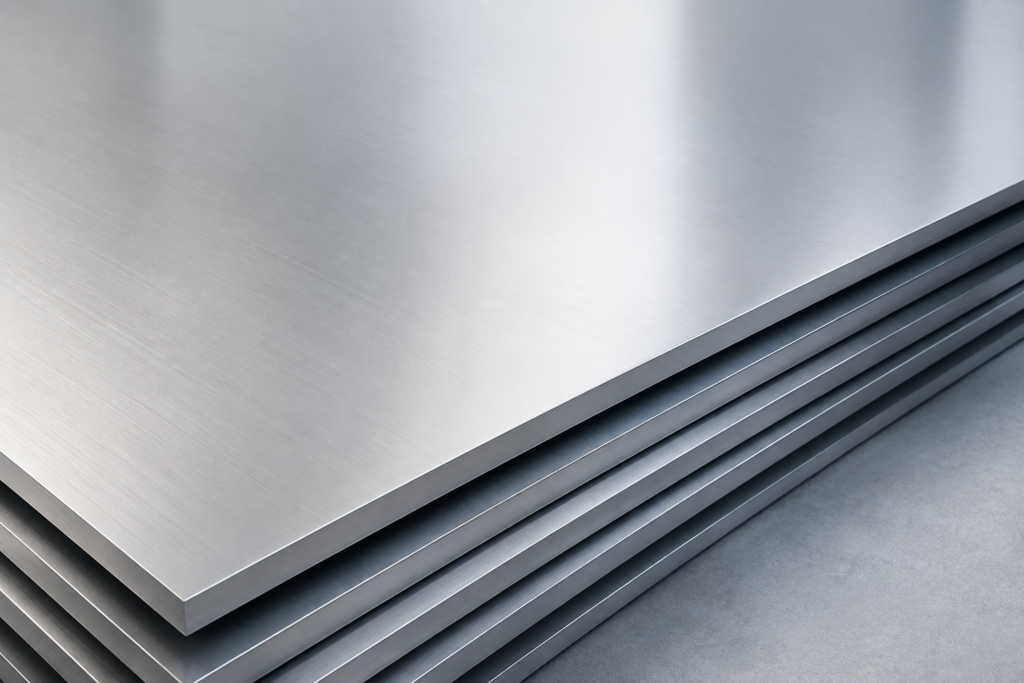
Material selection decides how long a kitchen appliance lasts and how safely it performs around food. A poor choice corrodes, stains, or breeds bacteria within a few years of daily use. Stainless steel solves this problem better than aluminium, mild steel, or coated metals, which is why manufacturers across the appliance industry rely on it as a default material. Among the available grades, SS 304 Sheets stand out for combining corrosion resistance, structural durability, hygienic surface quality, and a clean finish in one material. Appliance makers use stainless steel sheets for kitchen appliances across refrigerator liners, commercial kitchen equipment, sinks, oven cavities, and food-processing lines, where the sheet must survive moisture, heat, and repeated cleaning without breaking down.
In this article
Why Is Stainless Steel 304 Used in Kitchen Appliances?
304 stainless steel sheets contain roughly 18% chromium and 8% nickel, and that chromium layer forms a passive oxide film that resists rust when exposed to water, steam, or acidic food residue. This single property drives most of its use in kitchens. The surface cleans with a simple wipe because contaminants do not bond to it the way they do with porous or coated metals, which keeps bacterial growth low on food-contact parts. Beyond hygiene, the alloy carries a tensile strength of around 515 MPa, so panels resist dents and warping under daily handling. Stainless steel 304 properties also include a bright, uniform finish that appliance brands prefer for visible surfaces, and the grade welds and forms without cracking, which suits the tight tolerances of appliance manufacturing.
Benefits of SS 304 Sheets for Kitchen Appliances
Excellent Corrosion Resistance
The passive chromium-oxide layer resists moisture, steam and food acids such as vinegar or citrus juice, without pitting or staining, for years of kitchen use.
 Also readHow Early U.S. Couples Start Shopping for Engagement Rings Before the Proposal
Easy to Clean and Maintain
Manufacturers could make the appliances with a smooth, non-porous surface that could be wiped clean in seconds, requiring less labour and chemicals for daily maintenance.
Good Strength and Durability
With roughly 515 MPa tensile strength, 304 stainless steel kitchen sheets absorb impact, resist warping, and hold shape through years of heavy daily handling.
Hygienic Material Choice
Food-grade stainless steel sheets can meet the sanitation standards required for commercial food preparation and processing equipment because bacteria cannot penetrate the surface of these sheets.
Attractive Appearance
Finishes such as 2B, brushed, and mirror-polished give appliance panels a consistent look that matches modern kitchen design without added coatings.
Good Formability and Fabrication
The grade bends, cuts, welds and stamps cleanly so that fabricators can form complex components for appliances without cracking or losing dimensional accuracy.
Where Are SS 304 Sheets Used in Kitchen Appliances?
SS 304 sheets applications cover a wide range of equipment across residential and commercial kitchens:
- Commercial kitchen equipment, including worktables and storage units
- Food preparation tables and prep counters
- Sinks and countertops in both home and industrial kitchens
- Refrigerator and freezer interior and exterior panels
- Ovens and cooking equipment exposed to sustained heat
- Dishwasher tubs and internal components
- Cabinets and appliance panels requiring a corrosion-resistant finish
- Food-processing equipment used in production lines
What Should Buyers Consider When Selecting SS 304 Sheets?
Buyers considering an SS 304 sheet for kitchen appliances should think about the thickness first. Gauges usually range between 0.3 mm and 6 mm depending on whether the part is structural or cosmetic. Surface finish is also important. 2B finish is good for internal, hidden components. Brushed or polished finishes go on visible panels. Size and dimensions need to match the fabrication line, so buyers should confirm standard sheet sizes against their die and cutting equipment before ordering. The chemical composition and mechanical properties should be confirmed by reference to recognised standards such as ASTM A240 in specifications. Sheet metal performance depends on fabrication requirements, such as welding process and bend radius. The operating environment whether that environment is one of constant moisture, high heat or acidic cleaning agents should be the basis for the finish and gauge you select. Finally, the supplier quality and material certification verify the batch composition and strength values as per the mill test certificate.
Conclusion
SS 304 Sheets provide the corrosion resistance, strength, hygiene and finish quality that kitchen appliance manufacturing requires, from sinks and ovens to food-processing lines. Getting the right thickness, finish and certification right from the start avoids costly rework down the track. Abhay Steels is engaged in the manufacturing, supplying and exporting of sheets, plates, coils, round bars, flats and patta/patti to appliance manufacturers, fabricators and processors in domestic as well as export markets. Material certification is done on each batch.

Covers business ideas, small business finance and technology for Business Recorder.