Benefits of Using Inconel 600 Sheets in Chemical Processing
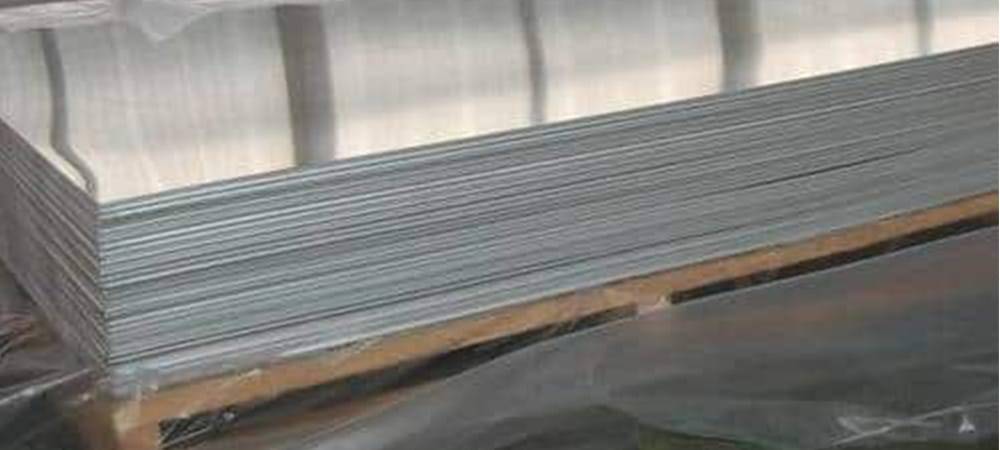
Chemical processing equipment runs hot while facing corrosive chemicals, oxidising atmospheres, chloride-rich streams, and repeated thermal cycling. Few sheet materials handle all four conditions together. Inconel 600 sheets are a nickel-chromium alloy designed for this combination: corrosion resistance, oxidation resistance, and mechanical performance at elevated temperatures. Fabricators specifying furnace linings for continuous hot service choose High Temperature Inconel 600 Sheets because of this, and the same properties suit reaction vessels and heat exchangers.
In this article
- What Are Inconel 600 Sheets?
- Why Is Inconel 600 Used in Chemical Processing?
- Key Properties of Inconel Alloy 600 Sheets
- Major Benefits of Inconel 600 Sheets
- Applications of UNS N06600 Sheets in Chemical Processing
- Inconel 600 Sheets in High-Temperature Chemical Processing
- Factors to Consider Before Selecting Inconel 600 Sheets
- Conclusion
What Are Inconel 600 Sheets?
Inconel 600 carries the UNS designation N06600 within the nickel-chromium-iron alloy family. Composition runs a minimum of 72% nickel, 14 to 17% chromium, and 6 to 10% iron. High nickel content resists a wide range of organic and inorganic compounds and gives near-immunity to chloride-ion stress corrosion cracking. Chromium adds resistance to sulfur compounds and oxidizing conditions at high temperatures. Mills supply the alloy in sheet and plate form under ASTM B168. Inconel 600 Sheets, Inconel Alloy 600 Sheets, Alloy 600 Sheets, and UNS N06600 Sheets all refer to the same material, used identically across purchase orders and mill certificates.
Why Is Inconel 600 Used in Chemical Processing?
Process equipment deals with aggressive chemicals, high temperatures, oxidising environments, chloride exposure and thermal cycling under continuous operation. Inconel 600’s nickel-chromium composition addresses these conditions directly: nickel resists reducing environments and chloride attack, while chromium protects against oxidation and scaling. Together, the two elements allow the alloy to hold up in process streams where carbon steel or standard stainless grades degrade faster.
 Also readHow Early U.S. Couples Start Shopping for Engagement Rings Before the Proposal
Key Properties of Inconel Alloy 600 Sheets
Eight properties make Inconel Alloy 600 Sheets relevant to chemical processing. The alloy offers good corrosion resistance, strong oxidation resistance and steady performance at elevated temperatures. It resists chloride-ion stress corrosion cracking in suitable conditions, which keeps useful mechanical strength across a wide temperature range and welds well when the shop follows appropriate procedures. Corrosion resistance depends on the specific chemical, its concentration, and the operating environment.
Major Benefits of Inconel 600 Sheets
Corrosion Resistance. The alloy resists organic acids, inorganic salts and reducing-environment media common in processing lines, cutting material loss over service life.
High-Temperature Performance. Inconel 600 keeps its mechanical properties from cryogenic conditions up to 1,093°C, covering equipment that cycles between cold startup and sustained high-temperature service.
Oxidation Resistance. Chromium forms a protective oxide layer on the surface, limiting scaling in hot, oxygen-rich environments.
Mechanical Reliability. The alloy holds tensile strength and hardness under sustained thermal and mechanical load, important for pressure-retaining components.
Thermal Cycling Resistance. Repeated heating and cooling stresses welds and base metal alike; a stable microstructure limits fatigue cracking over repeated cycles.
Fabrication Capability. Rolling, forming and welding work on Inconel 600 sheet without unusual process controls.
Applications of UNS N06600 Sheets in Chemical Processing
UNS N06600 sheets appear in nine equipment categories where corrosion and heat both matter. Chemical processing vessels use resistance to a broad range of process chemicals. Heat exchangers benefit from high nickel content, which limits fouling caused by reducing-environment corrosion. Process piping and reactor-related components need the same chloride resistance plus mechanical strength to hold pressure at temperature. Furnace components and heating equipment depend on oxidation resistance to combustion gases. Evaporators and chemical storage equipment gain corrosion protection against concentrated process fluids and high-temperature process equipment benefits from stability above 1,000°C.
Inconel 600 Sheets in High-Temperature Chemical Processing
Oxidation accelerates as temperature rises and thermal expansion, combined with cycling stresses, weakens welds and fixed joints. Extended heat exposure can mean gradual loss of mechanical strength and surface degradation on components exposed to combustion gases or process chemicals. Where a chemical environment adds corrosive attack on top of these thermal effects, material selection gets harder. Specifiers consider Alloy 600 Sheets here because the material addresses heat and corrosion resistance together, without forcing a compromise.
Factors to Consider Before Selecting Inconel 600 Sheets
Selection should account for:
- Operating temperature and expected thermal cycling frequency
- Chemical composition and concentration of the process medium
- System pressure and chloride exposure levels
- Whether conditions are oxidizing or reducing
- Required sheet thickness and surface finish
- Fabrication and welding requirements for the component
- Applicable ASTM/ASME specification
- Testing and certification requirements
Conclusion
Inconel 600 sheets bring together corrosion resistance, oxidation resistance, mechanical strength, and elevated-temperature performance for selected chemical-processing applications. Buyers should select UNS N06600 Sheets based on the actual chemical environment, operating temperature, pressure, fabrication requirements, and applicable material specifications rather than general reputation.

Covers business ideas, small business finance and technology for Business Recorder.