Monel 400 Round Bar: Properties, Uses & Industrial Benefits
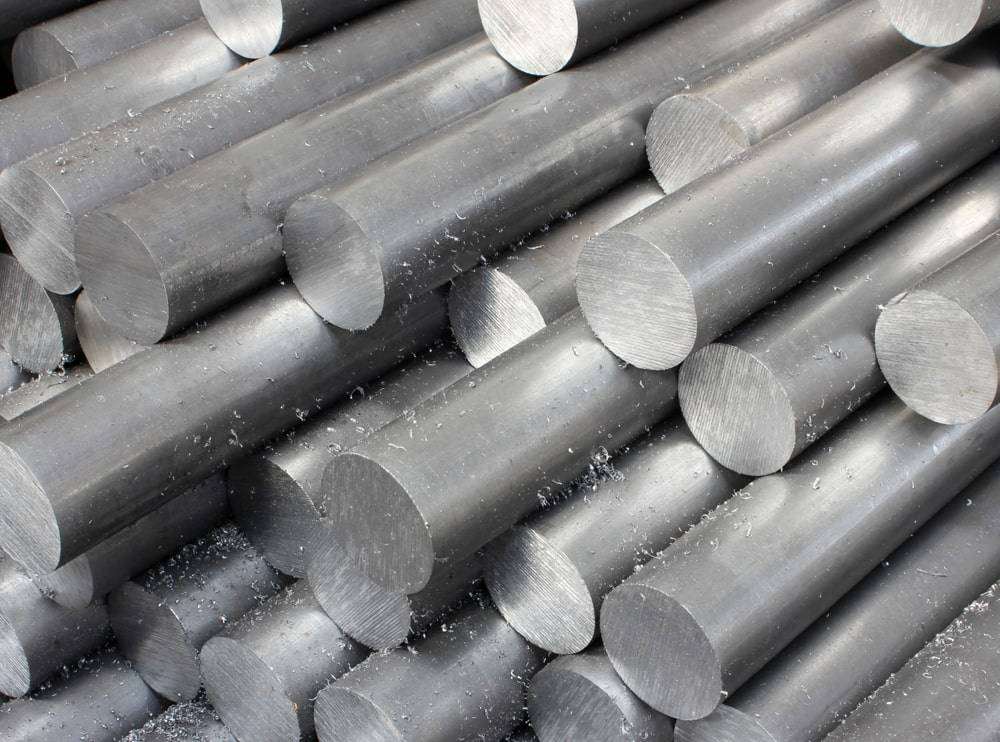
Monel 400 Round Bar is a nickel-copper alloy known for its combination of corrosion resistance, toughness, and mechanical strength. This combination has made Monel 400 the preferred choice in maritime engineering, chemical processing, offshore platforms, and oil and gas industries, wherever equipment is subjected to extended exposure to salt water or harsh process chemicals. Engineers who are designing components for these conditions frequently specify Monel 400, as for applications requiring both corrosion resistance and mechanical strength, Monel 400 can offer a useful balance of properties.
In this article
What is Monel 400 Round Bar?
Monel 400 is a nickel-copper alloy containing approximately 63% nickel and 28–34% copper, with smaller amounts of iron, manganese, and other elements. UNS N04400 round bar is manufactured to ASTM B164 and is used for shafts, fasteners, and other machined components.
ASTM B164 Monel 400 Round Bar is therefore a relevant specification callout when procurement documents require the bar to conform to the applicable nickel-copper alloy requirements. Industries choose this material specifically for environments where standard stainless steel would corrode or pit within a fraction of Monel’s service life, particularly anywhere seawater or reducing acids are involved. Monel 400 provides good resistance to hydrofluoric acid and several reducing environments, which contributes to its use in selected chemical-processing applications.
 Also readHow Early U.S. Couples Start Shopping for Engagement Rings Before the Proposal
Round bars are available in a variety of diameters and material conditions for manufacturing shafts, fasteners, and other machined components. Monel 400 rods are also used where smaller-diameter corrosion-resistant components are required, while Monel 400 round rod is suitable for smaller machined parts where consistent round-section stock is needed. In general, buyers working from a defined bill of materials can buy both conventional stock sizes and custom diameters, depending on how well a project’s spec fits what’s already in stock.
Key Properties of Monel 400 Round Bar
Excellent Corrosion Resistance
Monel 400 offers strong resistance to seawater and saltwater environments and is widely used for selected marine components. It also provides resistance to several acids and alkalis, including hydrofluoric acid under suitable conditions.
High Mechanical Strength
Monel 400 has a good combination of mechanical strength and toughness, making Monel 400 nickel alloy bar suitable for components exposed to sustained mechanical loading, vibration, and impact.
Good Thermal Conductivity
Monel 400 transfers heat efficiently and maintains stability across a wide temperature range, which matters in applications where a component faces both thermal and mechanical stress at once.
Non-Magnetic Characteristics
The alloy stays non-magnetic across its service range, a property that matters directly in specialized engineering applications where magnetic interference has to stay minimal.
Industrial Uses of Monel 400 Round Bar
Marine Equipment
Propeller shafts and pump shafts rely on Monel 400’s corrosion resistance to survive continuous seawater contact without the pitting that would eventually compromise a lesser alloy. Marine fasteners and seawater piping draw on that same resistance to stay structurally sound over years of service, often outlasting the vessel components installed around them.
Chemical Processing Industry
Reactors, valves, heat exchangers, and chemical storage equipment all handle aggressive process media that would degrade standard stainless steel, making Monel 400’s acid and alkali resistance directly relevant to equipment longevity. Plants running hydrofluoric acid processes in particular, tend to specify Monel 400 wherever a component contacts that specific chemistry.
Oil & Gas Industry
Offshore platforms combine saltwater exposure with mechanical stress, exactly the combination Monel 400 was built to handle. Valve stems, pump components, and pressure equipment all benefit from that same resilience under demanding operating conditions.
Power Generation
Turbine components and condenser parts face both thermal cycling and corrosive exposure, conditions where Monel 400’s combination of strength and corrosion resistance keeps equipment running reliably.
Industrial Benefits of Using Monel 400 Round Bar
Monel 400 round bars are a cost-effective option and can work for long-term, high-demand industrial applications where standard alloys can shatter prematurely. Due to their exceptional corrosion resistance and good mechanical properties, Monel alloy round bar products provide a practical way to increase operating efficiency and lower total life cycle costs.
Longer equipment life: Good corrosion resistance reduces the deterioration of materials; hence, it considerably enhances the operational life of important components of machinery.
Lower maintenance costs: better resistance to strong chemical attack means fewer unplanned failures, expensive downtime and frequent part replacements.
Cost-effectiveness in the long term: Material costs are costly from the beginning but paid back in form of decades of steady performance under rigorous operating circumstances without maintenance.
Conclusion
Monel 400 Round Bar delivers a rare combination of corrosion resistance and mechanical strength that keeps it specified across marine, chemical processing, oil and gas, and power generation applications. Sourcing certified material from an established Monel 400 Round Bar supplier such as Bhansali Overseas is what turns that material advantage into dependable, long-term performance in the demanding environments this alloy was built for.

Covers business ideas, small business finance and technology for Business Recorder.