Why Alloy 20 Round Bar Is Used in Chemical Processing Applications
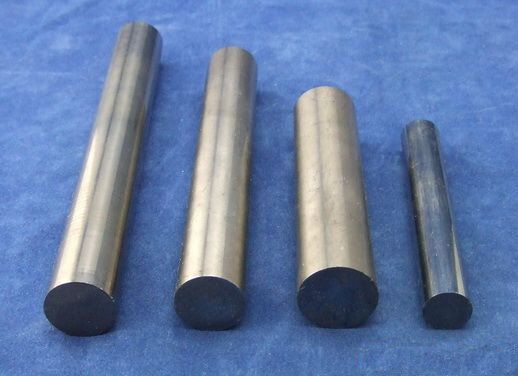
Chemical processing equipment regularly operates in the presence of acids, chlorides, elevated temperatures, and other aggressive process media. Standard stainless steels often struggle to hold up under these conditions over time. Alloy 20 Round Bar is a nickel-iron-chromium alloy developed specifically for demanding corrosive environments, particularly applications involving sulfuric acid and related chemicals. Its combination of corrosion resistance, mechanical properties, and fabrication characteristics makes it a practical choice for selected chemical-processing components, including High Strength Alloy 20 Round Bars used in structurally demanding parts.
In this article
- What Is Alloy 20 Round Bar?
- Why Is Alloy 20 Used in Chemical Processing?
- Key Properties of Alloy 20 Stainless Steel Round Bar
- Role of Alloying Elements in Alloy 20
- Benefits of Alloy 20 Bar in Chemical Processing
- Chemical Processing Applications of Alloy 20 Round Bar
- Alloy 20 in Sulfuric Acid Applications
- Factors to Consider When Selecting Alloy 20 Round Bar
- How to Select Quality Alloy 20 Round Bars
- Conclusion
What Is Alloy 20 Round Bar?
Alloy 20, also known as Carpenter 20 Round Bar, is a nickel-iron-chromium alloy with molybdenum and copper additions and a stabilized composition that resists sensitization during welding. The alloy is supplied in round bar form for machining into components across the chemical process industry. Carpenter Technology originally developed the grade, which is why the Carpenter 20 name still appears alongside Alloy 20 in industry use.
Why Is Alloy 20 Used in Chemical Processing?
Process environments can expose components to sulfuric acid, chlorides, acidic process streams, aggressive chemicals, elevated temperatures, and corrosive condensates, often in combination. Alloy 20’s composition contributes to resistance against general corrosion, pitting, and other forms of localized corrosion in environments suited to the alloy.
 Also readHow Early U.S. Couples Start Shopping for Engagement Rings Before the Proposal
Key Properties of Alloy 20 Stainless Steel Round Bar
- Strong corrosion resistance across a defined range of process conditions
- Resistance to sulfuric acid at suitable concentrations and temperatures
- Good resistance to pitting and crevice corrosion
- Resistance to stress corrosion cracking in appropriate environments
- Good mechanical strength and weldability
- Fabrication characteristics suited to machined components
Alloy 20 is not resistant to every chemical or every concentration, and performance should always be verified against the specific process medium.
Role of Alloying Elements in Alloy 20
Nickel supports corrosion resistance and mechanical performance. Chromium contributes to oxidation and corrosion resistance. Molybdenum improves resistance to pitting and localised corrosion. Copper contributes specifically to resistance in sulfuric acid environments. Niobium helps stabilize the alloy against certain forms of intergranular corrosion. Together, these elements explain why Alloy 20 performs differently from conventional stainless steel grades in acidic service.
Benefits of Alloy 20 Bar in Chemical Processing
Alloy 20 bar reduces the risk of corrosion-related component failure and delivers reliable performance in aggressive process environments. Good mechanical strength and resistance to localized corrosion support components that see repeated exposure cycles, while excellent weldability and fabricability keep manufacturing straightforward. Under suitable operating conditions, the alloy offers long service potential, though actual service life depends on the specific application.
Chemical Processing Applications of Alloy 20 Round Bar
Common components include shafts, valve components, pump components, fasteners, fittings, bolts and studs, bushings, agitator components, and machined equipment parts. Each of these benefits from the combination of corrosion resistance and mechanical reliability that Alloy 20 provides in acidic and chloride-containing process streams.
Alloy 20 in Sulfuric Acid Applications
Alloy 20 is frequently considered for sulfuric acid service, though performance depends strongly on acid concentration, operating temperature, flow conditions, contaminants, and exposure duration. Corrosion performance in sulfuric acid varies considerably across this range of conditions, so material selection should be based on application-specific corrosion data.
Factors to Consider When Selecting Alloy 20 Round Bar
Selection should consider the chemical composition of the process medium, acid concentration, temperature and pressure of operation, exposure to chlorides, and the mechanical properties desired. Bar diameter, length, heat treatment condition, machining and welding requirements, relevant ASTM/ASME specifications, and material certification and testing all contribute to the final specification.
How to Select Quality Alloy 20 Round Bars
Verify the Alloy 20 grade and UNS number, size required (diameter × length), and the relevant ASTM/ASME standard. Chemical composition to be checked; mechanical properties to be verified. Ask for MTC or material certificate, verify testing and inspection requirements, and surface condition and dimensional tolerances. Choose a vendor whose manufacturing and quality control capabilities are compatible with the application.
Conclusion
Alloy 20 Round Bar is used in chemical processing because it combines corrosion resistance, mechanical strength, and fabrication capability suited to demanding service conditions. Its relevance to sulfuric acid and other aggressive chemical environments is well established, but actual chemical composition, temperature, concentration, and operating conditions must be evaluated before material selection.

Covers business ideas, small business finance and technology for Business Recorder.