
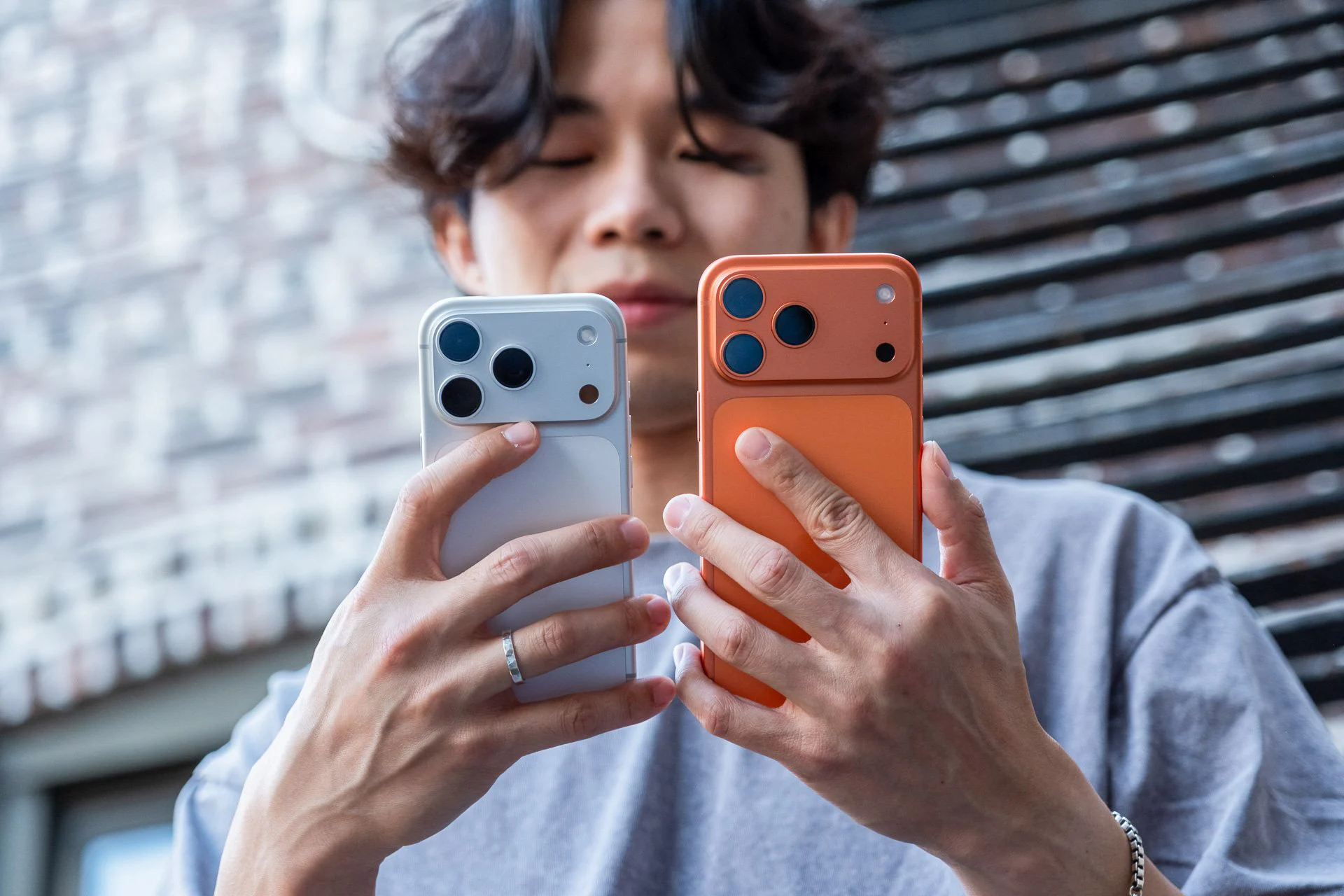
In the ever-evolving world of smartphone technology, Apple continues to set benchmarks with each new release. Two models that have sparked considerable discussion are the iPhone 17e and iPhone 18 Pro. While the iPhone 17e represents a balance of essential features and affordability, the iPhone 18 Pro stands as a powerhouse of cutting-edge innovation. Understanding the differences between these two devices is crucial for anyone planning to upgrade or invest in a new phone. This article will break down every major aspect—from design and display to performance, camera quality, battery life, and software longevity—so you can make an informed choice.
Understanding the Core Differences Between iPhone 17e and iPhone 18 Pro
Apple has strategically positioned the iPhone 17e as a successor to the classic “SE” philosophy but with modern enhancements. In contrast, the iPhone 18 Pro represents the pinnacle of engineering for professionals, creators, and heavy users. The gap between these two models is not just about price; it is about philosophy. One focuses on delivering core Apple experiences without extras, while the other offers everything possible within current technological limits. When comparing the iPhone 17e and iPhone 18 Pro, you will notice differences in materials, processing power, camera systems, and even software features reserved exclusively for Pro models.
Design and Build Quality – Aluminum vs Titanium
The first noticeable difference between the iPhone 17e and iPhone 18 Pro is their physical construction. The iPhone 17e uses a high-grade aluminum frame with a glass back, similar to previous standard models. This keeps the weight down and production costs manageable. The finish is matte on the sides, with a glossy rear panel that supports wireless charging.
On the other hand, the iPhone 18 Pro introduces a new titanium alloy frame, making it significantly lighter yet stronger than stainless steel. The back uses a textured matte glass that resists fingerprints and provides a premium grip. The Pro model also features a new “Ceramic Shield 2.0” front glass, which is marketed as being 30% more drop-resistant than the iPhone 17e’s standard Ceramic Shield.
Key design differences:
-
iPhone 17e: Aluminum frame, glossy glass back, available in five colors (midnight, starlight, blue, green, red).
-
iPhone 18 Pro: Titanium frame, textured matte glass back, available in four premium colors (deep black, silver gold, desert titanium, dark green).
Additionally, the iPhone 18 Pro has slightly thinner bezels thanks to a new low-injection pressure over-molding (LIPO) technology, giving it a more immersive front appearance. The iPhone 17e retains thicker bezels, though still smaller than older models.
Display Technology – Standard 60Hz vs ProMotion 144Hz
One of the most significant divides between the iPhone 17e and iPhone 18 Pro lies in their screens. The iPhone 17e features a 6.1-inch Super Retina XDR OLED display with a standard 60Hz refresh rate. While colors are accurate and brightness reaches 1600 nits for HDR content, scrolling and animations feel less fluid compared to Pro models.
The iPhone 18 Pro, however, boasts a 6.7-inch LTPO 4.0 OLED display with a variable refresh rate from 1Hz to 144Hz. This ProMotion technology makes every swipe, game, and video feel incredibly smooth. The 144Hz peak refresh rate is particularly beneficial for high-frame-rate gaming and fast scrolling. Moreover, the always-on display feature is standard on the Pro (showing time, widgets, and notifications at 1Hz), whereas the iPhone 17e lacks this entirely.
Display specifications:
| Feature | iPhone 17e | iPhone 18 Pro |
|---|---|---|
| Screen size | 6.1 inches | 6.7 inches |
| Panel type | Super Retina XDR OLED | LTPO 4.0 OLED |
| Refresh rate | 60Hz (fixed) | 1Hz to 144Hz adaptive |
| Peak HDR brightness | 1600 nits | 2000 nits |
| Always-on display | No | Yes |
For users who value media consumption and smooth interactions, the iPhone 18 Pro is clearly superior. However, for everyday tasks like messaging, calling, and browsing, the iPhone 17e’s screen remains perfectly capable.
Performance – A18 Pro vs A19 Pro Chips
Under the hood, the iPhone 17e and iPhone 18 Pro are separated by at least one generation of silicon. The iPhone 17e is powered by the A18 Pro chip (the same found in the previous year’s Pro models), which includes a 6-core CPU, 6-core GPU, and 16-core Neural Engine. This chip is no slouch—it handles all apps, multitasking, and even heavy games with ease.
The iPhone 18 Pro, however, introduces the new A19 Pro chip built on an enhanced 2-nanometer process. This chip features an 8-core CPU (two high-performance cores and six efficiency cores), an 8-core GPU with hardware-accelerated ray tracing, and a 24-core Neural Engine. Apple claims a 25% faster CPU and 30% faster GPU compared to the A18 Pro.
Memory is another differentiator. The iPhone 17e comes with 8GB of RAM, which is sufficient for current iOS versions. The iPhone 18 Pro starts with 12GB of RAM on the base model and goes up to 16GB on the 1TB storage variant. This extra memory allows for more apps staying active in the background and smoother operation of professional apps like Final Cut Pro or high-end 3D modeling tools.
Real-world performance:
-
iPhone 17e: Perfect for social media, streaming, moderate gaming, productivity apps.
-
iPhone 18 Pro: Ideal for 4K video editing, augmented reality (AR) workflows, multi-instance gaming, and running local AI models.
Camera Systems – Dual vs Quad-Lens Excellence
Photography is where the iPhone 17e and iPhone 18 Pro diverge most dramatically. The iPhone 17e opts for a dual-camera system on the back: a 48MP main wide lens (f/1.6) and a 12MP ultrawide lens (f/2.4). It lacks a telephoto lens, meaning optical zoom is not available beyond 2x via sensor cropping. Night mode is present, but there is no LiDAR scanner for improved low-light autofocus.
The iPhone 18 Pro, in contrast, features a quad-camera array:
-
Main: 48MP wide, f/1.4, second-generation sensor-shift stabilization.
-
Telephoto: 12MP with 5x optical zoom, f/2.8.
-
Ultrawide: 48MP, f/1.8, with 120° field of view and macro photography.
-
LiDAR scanner for enhanced AR and night portraits.
Additionally, the Pro model introduces a new “Spatial Video” recording mode for Apple Vision Pro, something the iPhone 17e cannot do. Video capabilities also differ: the iPhone 18 Pro supports 8K ProRes at 60fps, while the iPhone 17e maxes out at 4K HDR at 60fps.
Front camera differences:
-
iPhone 17e: 12MP TrueDepth camera with f/1.9, supports 4K video.
-
iPhone 18 Pro: 24MP TrueDepth camera with autofocus, f/1.7, supports 4K ProRes and center stage.
If photography is a priority, the iPhone 17e and iPhone 18 Pro are not in the same league. The Pro model offers versatility and professional-grade output.
Battery Life and Charging Speeds
Battery technology also separates the iPhone 17e and iPhone 18 Pro. The iPhone 17e houses a 3,500 mAh battery, which Apple rates for up to 20 hours of video playback. It supports 30W wired charging (0-50% in 25 minutes) and 15W MagSafe wireless charging.
The iPhone 18 Pro, benefiting from a larger chassis and more efficient chip, packs a 4,250 mAh battery. It achieves up to 28 hours of video playback. Charging is significantly faster: 45W wired (0-50% in 18 minutes) and 25W MagSafe wireless. Moreover, the Pro model introduces reverse wireless charging, allowing you to charge AirPods or an Apple Watch from the back of the phone. This feature is absent on the iPhone 17e.
Battery summary:
-
iPhone 17e: All-day battery for average users.
-
iPhone 18 Pro: All-day-plus battery for heavy users, plus faster replenishment.
Software and Exclusive iOS Features
Both models run iOS 22 at launch, but the iPhone 18 Pro receives several exclusive features that are not available on the iPhone 17e. These include:
-
Apple Intelligence+ advanced on-device Siri with contextual awareness.
-
Stage Manager for external display multitasking.
-
ProRes RAW capture in camera.
-
Voice isolation 2.0 during calls and recordings.
-
LiDAR-based room scanning in the Measure app.
Apple typically provides 6 years of major OS updates for both devices, so longevity is not a concern for either. However, the Pro model’s extra RAM and Neural Engine cores mean it will handle future AI-driven features better than the iPhone 17e.
Storage Options and Price
Storage and pricing reflect the target audiences. The iPhone 17e and iPhone 18 Pro have different starting points:
iPhone 17e:
-
128GB – $699
-
256GB – $799
-
512GB – $999
iPhone 18 Pro:
-
256GB – $1,199
-
512GB – $1,399
-
1TB – $1,599
-
2TB – $1,799
The iPhone 17e lacks a 1TB or 2TB option, which may be a limitation for video professionals. Conversely, the Pro model’s highest storage tiers are aimed at content creators who shoot large amounts of ProRes video.
Connectivity – Wi-Fi 6E vs Wi-Fi 7 and Beyond
Modern connectivity is another differentiator. The iPhone 17e supports Wi-Fi 6E, Bluetooth 5.4, and Thread networking for smart home devices. It also includes the second-generation Ultra Wideband chip.
The iPhone 18 Pro moves to Wi-Fi 7, which offers theoretical speeds up to 46 Gbps, lower latency, and better multi-device handling. It also features the third-generation Ultra Wideband chip with triple the range and Bluetooth 5.5. Both phones support 5G (sub-6GHz and mmWave in select regions), but the Pro model includes an additional antenna for faster mmWave aggregation.
For most users, Wi-Fi 6E on the iPhone 17e is already excellent. Only those with Wi-Fi 7 routers or who transfer massive files wirelessly will notice the advantage of the Pro model.
Environmental Impact and Repairability
Apple has made both models with recycled materials, but the iPhone 17e and iPhone 18 Pro differ in repairability scores. The iPhone 17e uses a more modular internal design, with individually replaceable components like the USB-C port and speakers. This makes it cheaper to repair out of warranty.
The iPhone 18 Pro, while also using recycled titanium, has more components soldered to the motherboard (including the storage chip), making repairs more expensive. However, Apple offers a self-service repair program for both, but the Pro model requires more steps to open.
Environmental notes:
-
Both use 100% recycled cobalt in the battery.
-
Both avoid harmful materials like beryllium and PVC.
-
The iPhone 17e’s packaging is 100% fiber-based, while the Pro adds a small plastic film for the titanium finish.
Which One Should You Choose – iPhone 17e or iPhone 18 Pro?
After exploring all the differences, the decision between the iPhone 17e and iPhone 18 Pro comes down to your specific needs and budget.
Choose the iPhone 17e if:
-
You want a reliable, fast iPhone without paying a premium.
-
You do not need advanced photography features beyond basic wide and ultrawide shots.
-
A 60Hz display is perfectly fine for your daily use.
-
You prefer a lighter phone with more color options.
-
You want better repairability and lower long-term maintenance costs.
Choose the iPhone 18 Pro if:
-
You are a creative professional (photographer, videographer, designer).
-
You demand the smoothest display with 144Hz and always-on functionality.
-
You need the longest possible battery life and fastest charging.
-
You plan to keep the phone for 4+ years and want the latest AI features.
-
Budget is not a primary constraint.
Who Should Upgrade from an Older iPhone?
If you are using an iPhone 12 or older, both the iPhone 17e and iPhone 18 Pro will feel like massive upgrades. The iPhone 17e offers the best value for money, giving you MagSafe, OLED, 5G, and the A18 chip at a reasonable price. However, if you currently own an iPhone 14 Pro or 15 Pro, the standard iPhone 17e might feel like a downgrade in terms of screen refresh rate and camera zoom. In that case, the iPhone 18 Pro would be a true upgrade.
Future-Proofing Considerations
Technology moves quickly, but Apple supports devices for many years. The iPhone 17e will comfortably run iOS versions until 2029 or 2030. However, features that rely on high refresh rate displays or LiDAR will never come to the iPhone 17e. If you care about having the latest innovations (like spatial video or advanced AR), the iPhone 18 Pro is the safer long-term investment.
Final Verdict on iPhone 17e and iPhone 18 Pro
To summarize, the iPhone 17e and iPhone 18 Pro serve two distinct markets. The iPhone 17e is an honest, high-performance device for the majority of users. It does not pretend to be a Pro phone, and that honesty is refreshing. The iPhone 18 Pro, on the other hand, pushes boundaries and offers tools that can genuinely improve productivity and creativity.
No matter which you choose, both devices uphold Apple’s standards of privacy, security, and environmental responsibility. The best choice is the one that aligns with your daily habits and financial comfort. If you can afford the Pro and will use its extra capabilities, go for it. If you want a great phone without overpaying, the iPhone 17e will serve you wonderfully for years.
Frequently Asked Questions (FAQs)
Q1: Does the iPhone 17e have a telephoto lens?
No, the iPhone 17e has only wide and ultrawide lenses. Optical zoom is not available.
Q2: Is the iPhone 18 Pro waterproof?
Both models have IP68 rating, but the iPhone 18 Pro is rated for 8 meters for 30 minutes, while the iPhone 17e is rated for 6 meters.
Q3: Which phone is better for gaming?
The iPhone 18 Pro’s 144Hz display and A19 Pro chip make it better for competitive gaming, but the iPhone 17e still handles most games smoothly.
Q4: Will the iPhone 17e support Apple Intelligence?
Yes, but not the full suite. The Pro model gets exclusive on-device AI features.
Q5: Can I use the same case for both phones?
No. The dimensions, camera bump, and button placements are different.
Final Note:
When comparing the iPhone 17e and iPhone 18 Pro, remember that the best phone is not always the most expensive one. It is the one that fits your life without unnecessary financial strain. Both are excellent, reliable, and clean devices that respect your privacy and the environment. Choose wisely, and your new iPhone will serve you well for many years.