How to Start a Cleaning Business in 2026 (Startup Cost Calculator)
A beginner guide to starting a cleaning business with startup costs, pricing tips and a free calculator.
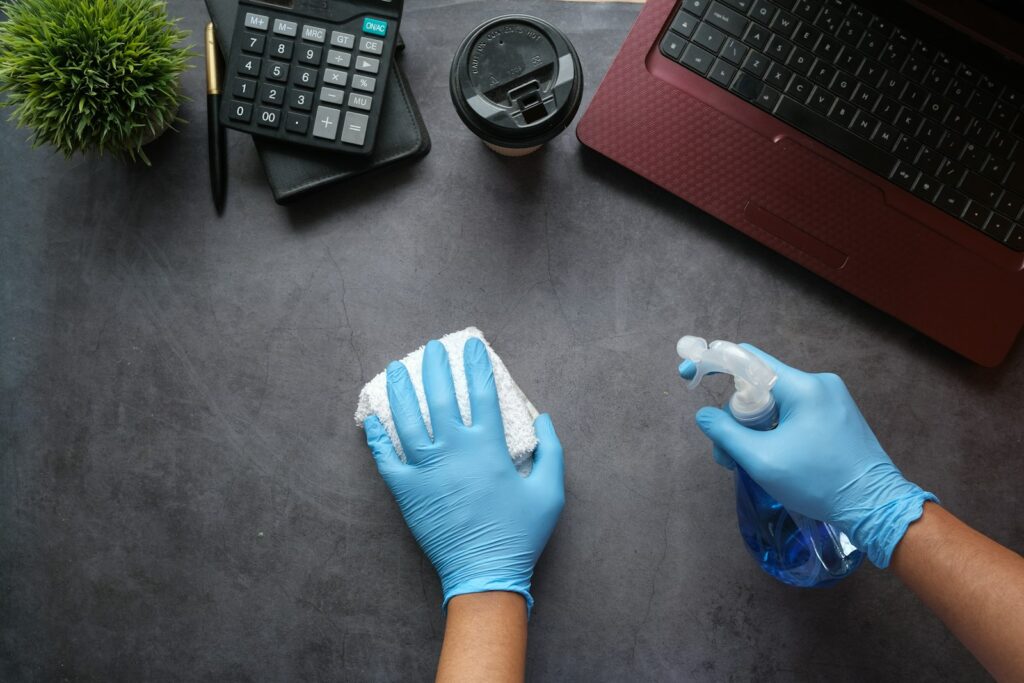
Short answer: you can start a cleaning business in 2026 with roughly $1,500 to $5,000 for supplies, insurance, licences and basic marketing, and you need around 20 to 40 regular jobs a month to make it a full-time income. Start with one service, one area and clear prices, then add staff only after your calendar is full.
A cleaning business is one of the simplest service businesses to launch. People always need homes, offices and rental properties cleaned, the equipment is cheap, and you can start alone on weekends while keeping your current job. The hard part is not the cleaning. It is pricing correctly, getting your first repeat customers and avoiding the mistakes that make small service businesses lose money in the first year.
- 100% free
- Call direct
- Voice search
- Urdu & English
In this article
Step 1: Choose one clear cleaning niche
Do not try to serve everyone on day one. Pick a niche so your marketing is simple and your prices are easy to explain. The most common beginner options are regular home cleaning, move-in and move-out cleaning, small office cleaning, rental property turnovers and post-renovation cleaning.
 Also readHow to Start a Short-Form Video Editing Service for Small Businesses
| Niche | Typical customer | Repeat work | Startup difficulty |
|---|---|---|---|
| Regular home cleaning | Busy families | Weekly or fortnightly | Easy |
| Rental turnovers | Landlords, short-stay hosts | Every guest change | Easy to medium |
| Small offices | Shops, clinics, studios | Daily or weekly | Medium |
| Move-out cleaning | Tenants, agents | One-off | Easy |
| Post-renovation | Builders, homeowners | One-off, higher price | Medium |
Regular home cleaning builds the most stable income, because the same customer pays you every week or two. One-off jobs pay more per visit but you must keep finding new ones.
Step 2: Know your startup costs
Most of your startup money goes to supplies, insurance and a little marketing. You do not need a van or a rented office. A basic starter kit usually includes a vacuum cleaner, microfibre cloths, mops, buckets, a caddy, gloves, an all-purpose cleaner, a bathroom cleaner, a glass cleaner and a few specialist products.
Next come the legal and safety items. Depending on where you live you may need a business registration, a local licence, liability insurance and, if you hire people, workers’ insurance. Liability insurance matters because accidents happen: a broken vase or a damaged floor can cost more than your monthly profit. Check your local rules or ask an accountant before your first paid job.
Finally, set aside money for marketing and a cash buffer. A simple one-page website, a business profile on a map service, printed cards and a few local posts are enough at the start. If you want a longer plan, our one-page business plan template helps you put these numbers on paper in an hour.
Cleaning business startup calculator
Enter your own numbers. The calculator adds your startup cost and shows how many jobs you need each month to cover your costs and reach your income goal.
- Fill in your startup costs.
- Add your average job price and cost per job.
- Enter the monthly income you want and press calculate.
Step 3: Price your services properly
The biggest beginner mistake is pricing too low to win the first customers. Low prices attract customers who leave when someone cheaper appears, and they leave you without the money to buy supplies or pay a helper. Start by finding your cost per hour: your target hourly pay, plus supplies, travel, insurance and a small profit. Then look at what local competitors charge for the same size of home and set your price near the middle.
Offer a small number of clear packages, such as a standard clean, a deep clean and a move-out clean, with a price for one-bedroom, two-bedroom and three-bedroom homes. Add extras such as inside the oven, inside the fridge and windows at a fixed price. If you want to learn how to protect your margins when costs change, read our guide to the working capital ratio.
Step 4: Find your first ten customers
You do not need paid ads at the start. Tell friends, neighbours and local groups that you are taking customers, and offer a first-clean discount only to the first five. Create a free map listing with photos and your service area, then ask every happy customer for a review. Reviews are the most valuable asset a local service business has.
Other simple sources of work include real estate agents who need move-out cleaning, landlords who manage rentals, and small offices that hate cleaning chores. A short, polite message with your price list and a sample checklist often works better than a long pitch.
Step 5: Build a simple system
A system keeps quality the same on every visit. Create a checklist for each room so nothing is missed, take before and after photos if the customer agrees, and confirm each booking by message the day before. Use a basic calendar and a spreadsheet to track jobs, payments and costs. Following a simple cash plan, such as the one in our 13-week cash flow forecast guide, shows you when money is tight before it becomes a problem.
When you reach about 25 regular jobs a month, think about hiring your first helper. Pay fairly, train with your checklist, and check the first few jobs yourself. Never promise a customer a price before you know whether you have the capacity to do the job well.
Common mistakes to avoid
- Skipping insurance. One accident can wipe out months of profit.
- Underpricing. Cheap customers rarely become loyal customers.
- No written terms. Put cancellation rules and payment terms in a short message.
- Mixing money. Keep a separate account for the business from day one.
- Forgetting tax. Set aside a share of every payment for tax and review it each quarter.
Frequently asked questions
How much money do I need to start a cleaning business?
Many people start with between 1,500 and 5,000, depending on insurance, supplies and marketing. Working alone from home keeps the cost low.
Do I need a licence or insurance?
Rules vary by country and city. Most owners buy liability insurance and register the business. Check your local authority or an accountant.
How much can a cleaner earn?
It depends on price, speed and number of jobs. Use the calculator above to see how many jobs you need for your income goal.
Should I use my own products or the customer's?
Most owners bring their own supplies and include the cost in the price. This keeps results consistent and the job professional.
Explore more

Covers business ideas, small business finance and technology for Business Recorder.