Best Time to Visit Japan | Complete guide
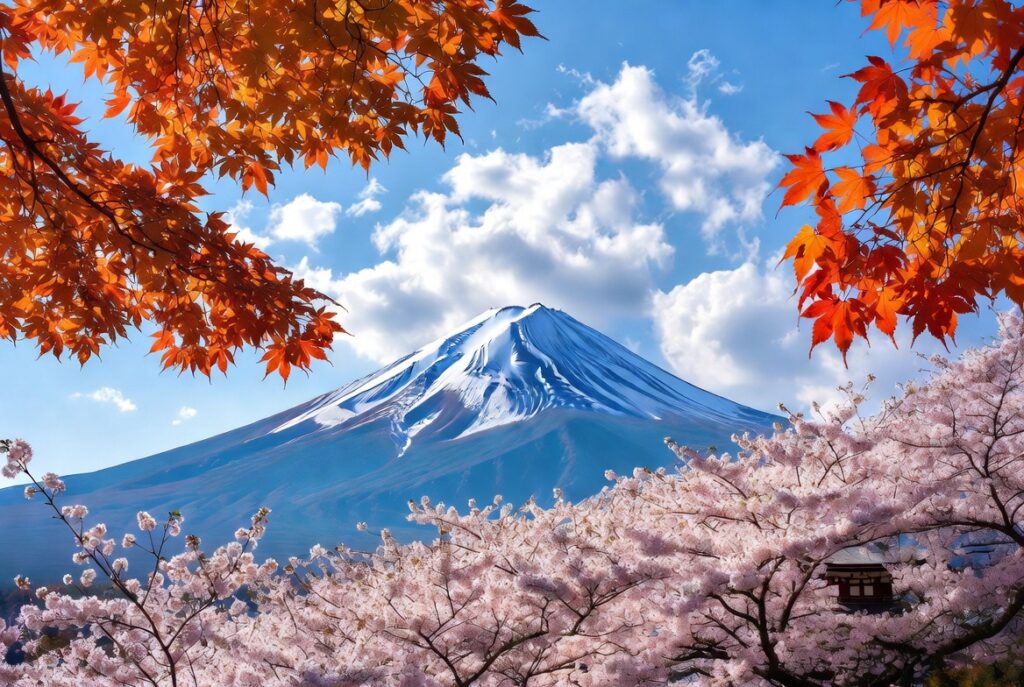
The best time to visit Japan is a question many travelers ponder, as this enchanting island nation offers unique charms in every season. From the delicate pink hues of cherry blossoms painting the landscape in spring to the fiery reds and golds of autumn foliage, Japan’s natural beauty, rich culture, and warm hospitality make it a dream destination year-round. Whether you seek serene temple walks, vibrant local festivals, or peaceful onsen soaks, understanding the seasons helps you align your journey with the experiences that resonate most with your spirit of exploration and appreciation for God’s creation.
In this article
- Why Japan Captivates Travelers Year-Round
- Spring: Cherry Blossoms and Renewal (March to May)
- Summer: Festivals, Nature, and Vibrant Energy (June to August)
- Autumn: Majestic Foliage and Perfect Weather (September to November)
- Winter: Serene Snowscapes and Cultural Warmth (December to February)
- Practical Tips for Choosing Your Ideal Time
- Packing and Preparation for Any Season
- Making the Most of Your Japanese Journey
- Budgeting and Sustainable Travel
Why Japan Captivates Travelers Year-Round
Japan stands as a harmonious blend of ancient traditions and modern wonders. Its diverse geography—from bustling Tokyo to tranquil Kyoto and snowy Hokkaido—ensures something special awaits no matter when you arrive. Families, solo adventurers, and couples alike find joy in its clean streets, efficient public transport, and respectful culture that encourages mindfulness and gratitude.
Traveling here promotes values of patience, respect for nature, and community. You’ll discover delicious halal-friendly options in larger cities, stunning gardens for reflection, and opportunities to learn about history and craftsmanship that inspire personal growth.
 Also readHow to Write a One-Page Business Plan: A Simple Template for Busy Founders
Spring: Cherry Blossoms and Renewal (March to May)
Spring emerges as one of the most popular periods, symbolizing new beginnings. As temperatures rise gently from around 10°C to 20°C, the iconic sakura blooms transform parks and riverbanks into living artworks. People gather for hanami picnics, sharing food and laughter under the trees—a beautiful reminder of fleeting beauty and the importance of cherishing moments.
Best Months in Spring for Your Trip
- March: Early blossoms in southern areas like Kyushu. Mild weather perfect for walking.
- April: Peak cherry blossom season in Tokyo and Kyoto. Expect lively energy but plan ahead for popular spots.
- May: Post-bloom greenery with comfortable warmth. Golden Week brings local holidays, so book accommodations early.
This season encourages outdoor appreciation and family bonding. Visit temples like those in Kyoto for peaceful reflection amid blooming wisteria and azaleas.
Summer: Festivals, Nature, and Vibrant Energy (June to August)
Summer brings warmth and excitement with temperatures often between 25°C and 30°C or higher. While the early rainy season (tsuyu) in June adds moisture, it nourishes lush greenery and hydrangea flowers around temples.
Highlights of Japanese Summer
Matsuri celebrations fill the air with music, traditional dances, and street food. Fireworks light up night skies, fostering community spirit and joy. Head north to Hokkaido for cooler escapes or hike in the Japanese Alps for refreshing mountain air.
Summer also offers opportunities for beach time in Okinawa, where crystal waters invite relaxation. Pack light, stay hydrated, and embrace the lively atmosphere that celebrates life’s vibrancy.
Autumn: Majestic Foliage and Perfect Weather (September to November)
Many consider autumn among the best time to visit Japan due to its comfortable temperatures (15°C to 25°C), lower humidity, and breathtaking koyo or autumn leaves. Maple trees turn brilliant shades of crimson, orange, and gold, creating postcard-perfect scenes in places like Nikko, Arashiyama, and the Japanese Alps.
Planning Your Autumn Escape
- September: Transition period with lingering summer warmth and early color changes in northern regions.
- October-November: Peak foliage season. Clear skies make it ideal for hiking, photography, and temple visits.
This season supports thoughtful travel—enjoying harvests of seasonal fruits and vegetables while practicing gratitude for nature’s bounty. It’s a wonderful time for couples or families seeking romantic or educational outings without extreme crowds.
Explore more insights on global business and travel trends from Business Recorder for inspiration on planning your journey responsibly.
Winter: Serene Snowscapes and Cultural Warmth (December to February)
Winter wraps Japan in a peaceful blanket of snow, especially in Hokkaido and the mountains. Temperatures drop, but onsen hot springs provide soothing warmth for body and soul. Skiing, snowboarding, or simply admiring illuminated winter festivals offer magical experiences.
Fewer crowds mean more intimate connections with local culture. Enjoy hot pots (nabe), illuminating temple lights, and the quiet beauty of snow-covered landscapes—a time for inner reflection and appreciation of simplicity.
Winter Festivals and Activities
Cities host beautiful illuminations and markets. In the north, enjoy powder snow perfect for winter sports. Southern areas remain milder, allowing for comfortable city explorations.
Practical Tips for Choosing Your Ideal Time
Consider your priorities: nature viewing, festivals, budget, or avoiding crowds. Shoulder seasons like late May or early October often balance beauty and tranquility.
Related reading: Check Business Recorder’s coverage on Toronto Blue Jays vs Miami Marlins timeline for sports enthusiasts planning multi-interest trips, or latest Apple product leaks for tech updates that might enhance your travel gadgets.
Factor in major holidays like Golden Week (late April to early May) when domestic travel peaks. Book shinkansen tickets and popular hotels in advance for peak periods.
Packing and Preparation for Any Season
Japan’s weather varies by region, so layer clothing. Respect local customs: remove shoes indoors, be mindful in quiet spaces, and support sustainable tourism. Learn basic phrases—Japanese people appreciate the effort, strengthening cross-cultural bonds.
Public transport is reliable and clean. Download translation apps and offline maps for ease. Focus on experiences that nourish the spirit, like tea ceremonies, garden walks, or learning about traditional arts.
For detailed climate information, see the Climate of Japan on Wikipedia.
Making the Most of Your Japanese Journey
Beyond seasons, immerse yourself in daily life. Try local cuisine (many places accommodate dietary needs), visit museums showcasing history and innovation, and explore UNESCO sites that highlight human ingenuity and natural harmony.
Japan teaches lessons in discipline, beauty in impermanence, and hospitality (omotenashi). Whether witnessing cherry blossoms or autumn leaves, your trip can become a source of lasting inspiration and positive memories.
Families will love interactive experiences like making crafts or visiting animal cafes (ethically managed). Solo travelers appreciate safety and ease of navigation. Everyone benefits from Japan’s emphasis on cleanliness, punctuality, and respect.
Budgeting and Sustainable Travel
Costs vary by season—peak times command higher rates, while winter offers value. Eat at local eateries, use rail passes, and choose eco-friendly accommodations to minimize impact.
Support small businesses and artisans. This aligns with ethical travel values, ensuring communities thrive while you enjoy authentic encounters.
In conclusion, the best time to visit Japan depends on what touches your heart most. Each season unfolds unique blessings—from renewal in spring to introspection in winter. Plan with intention, travel with an open mind, and return enriched by Japan’s timeless elegance and vibrant spirit. Your adventure awaits, promising stories, serenity, and a deeper appreciation for the world’s wonders.

Get in Touch We welcome your feedback, inquiries, suggestions, and news tips. Whether you are a reader, advertiser, or business partner, our team is here to assist you. Email: businesstomark@gmail.com