Benefits of Using Corten A Steel Plates in Architectural Projects
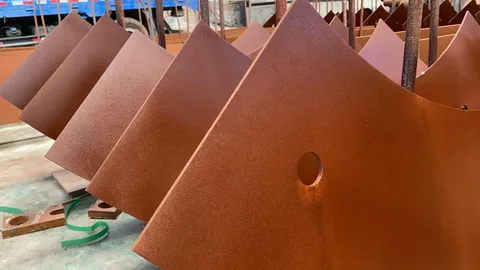
Architects increasingly prefer materials that provide structural performance and visual character, and very few can balance these two the way Corten A Steel Plates does. This weathering steel develops a patina layer when exposed to Achilles atmospheric conditions, giving a warm rust color that changes with time and that very few traditional metals can give. Projects exploring Corten Steel for Modern Building Constructs often specify this material for facades, screens and exterior living structures, where surface texture can design an matching element or surpassing load sustainability.
In this article
- What Are Corten A Steel Plates?
- Why Is Corten A Popular in Architecture?
- Key Benefits of Corten A Steel Plates in Architectural Projects
- How Does the Corten Patina Develop?
- Architectural Applications of Corten Steel Plates
- Corten Steel Plates and Sustainable Architectural Design
- Design Considerations for Corten A Architectural Projects
- Conclusion
What Are Corten A Steel Plates?
Corten A belongs to a family of weathering steels engineered to form a stable oxide layer, known as a patina, rather than corroding uncontrollably the way ordinary carbon steel does. Alloying elements such as copper, chromium, and phosphorus drive this reaction. Alternating wet and dry cycles allow the patina to build up and bond to the surface. Painted steel depends on an external coating for protection. Corten A generates its own barrier, and slows further corrosion without making the plate immune to it.
Why Is Corten A Popular in Architecture?
Designers favour the material because its surface visibly changes over time, shifting from bright orange toward deep brown. That progression gives buildings a sense of depth that static, factory-finished materials cannot offer. In suitable environments, architects can specify fewer coating cycles than painted metal would require. Corten A also contrasts strongly with glass, concrete, timber, and stone, which explains its frequent use in contemporary and industrial-style buildings.
 Also readHow Early U.S. Couples Start Shopping for Engagement Rings Before the Proposal
Key Benefits of Corten A Steel Plates in Architectural Projects
Six factors explain why specifiers keep returning to this material.
Distinctive Aesthetic Appeal: The patina forms unevenly across each panel, producing warm earthy tones that vary with orientation and exposure.
Weathering Performance: The oxide layer slows further atmospheric corrosion once it stabilises under suitable exposure conditions.
Low Coating Requirements: Certain exterior applications need less repainting than conventional steel, depending on climate and detailing.
Durability: Corten A Steel Plates: carry sufficient strength for structural cladding, screens, and freestanding outdoor elements.
Design Flexibility: Plates can be cut, bent, welded, and perforated into panels, windows, and sculptural forms.
Material Longevity: Correct drainage and periodic inspection extend service life well beyond that of unmaintained mild steel.
How Does the Corten Patina Develop?
Oxidation begins within days of exposure to air and moisture. The surface turns orange first, then gradually darkens to reddish-brown as oxide particles bond to the base metal. Repeated wet-dry cycles compact that layer into a denser, more adherent patina. Humidity, pollutants, and local rainfall all influence how quickly this stabilises, so two buildings in different climates can weather at noticeably different rates.
Architectural Applications of Corten Steel Plates
Facades and exterior wall cladding display the material’s changing colour most directly. Feature walls and architectural screens incorporate perforated or slotted panels to diffuse light while maintaining privacy. Landscape Architects use it for garden walls, entry structures, and planters, where rust tones complement greenery. Sculptural forms, canopies, outdoor furniture and signage benefit from a finish that ages well.
Corten Steel Plates and Sustainable Architectural Design
Fewer recoating cycles mean less paint, solvent, and waste across a building’s service life. Steel remains recyclable at the end of use, and Weathering Steel Plates installed with proper detailing can stay in place for decades without replacement. Sustainability outcomes still depend on the full project lifecycle, including sourcing, fabrication, transport, and eventual recycling.
Design Considerations for Corten A Architectural Projects
Detailing determines whether a Corten installation performs well or stains surrounding surfaces over time. Architects should route runoff away from adjacent stone or concrete, avoid flat surfaces that trap standing water, and specify plate thickness suited to the exposure. Welded joints need corrosion allowances built in from the start, and the surrounding material palette should tolerate occasional rust runoff during the early weathering period.
Conclusion
Corten A Steel Plates combine a distinctive appearance with real weathering performance, durability, and fabrication flexibility. Weathering Steel Plates work best where site conditions and detailing are planned around how the material ages rather than against it. Careful assessment before installation, paired with sound fabrication and drainage, determines whether the finished result matches the design intent.

Covers business ideas, small business finance and technology for Business Recorder.