Duplex Steel Sheet Buying Guide: Grades, Thicknesses & Specifications
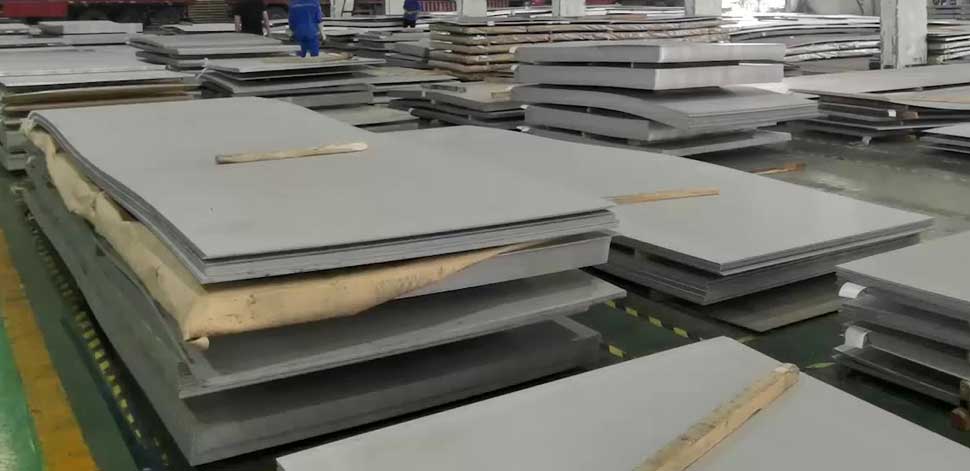
A wrong grade choice on a duplex steel sheet order can cost a project months of rework once corrosion or cracking shows up in service. Duplex stainless steel combines the strength of ferritic steel with the corrosion resistance of austenitic steel, giving fabricators a material that handles chloride exposure and mechanical load in the same sheet. Buyers still need to check grade, thickness, dimensions, standards, surface finish and the operating environment before placing an order. These details determine how long the finished component lasts in service.
In this article
What Is a Duplex Steel Sheet?
A duplex stainless steel sheet carries a microstructure built from roughly equal parts austenite and ferrite. This dual-phase structure separates it from standard 300-series stainless. Ferrite adds strength and resistance to chloride stress corrosion cracking; austenite keeps the material ductile enough to weld and form. Yield strength runs close to double that of grades like 304 or 316, letting engineers specify thinner sections for the same load. Chemical plants, desalination units, marine structures and pulp and paper equipment rely on duplex sheet where chloride-rich or acidic media would attack ordinary stainless steel within a few years.
Common Duplex Steel Sheet Grades
Duplex steel sheet grades vary in alloy content, and picking between them changes both cost and corrosion margin.
 Also readHow Early U.S. Couples Start Shopping for Engagement Rings Before the Proposal
Duplex 2205 Sheet
Duplex 2205 sheet (UNS S31803/S32205) balances strength and corrosion resistance for chemical processing tanks, marine fittings and pressure vessels operating in moderately aggressive media.
Super Duplex 2507 Sheet
Duplex 2507 sheet (UNS S32750) carries higher molybdenum and nitrogen content, pushing pitting resistance well above standard duplex for offshore platforms, seawater systems and high-chloride chemical service.
Other Duplex Grades
Grades such as UNS S32760 offer application-specific gains in pitting resistance or weldability. Match the grade to the chloride content and temperature of the service environment, not to the lowest quote.
How to Choose the Right Duplex Steel Sheet Thickness?
Duplex steel sheets thickness is established by considering mechanical loading, internal pressure, fabrication method, corrosion allowance, service temperature, and the engineering specification of the project. Sheets under 3mm are suitable for enclosures, ducting and light fabrication where formability is more important than load bearing capacity. Structural brackets, shells of pressure vessels and walls of tanks need to be made from thicker stock, usually 6mm and above, to withstand sustained mechanical stress without undue deflection. Corrosion allowance adds another layer: a sheet in continuous seawater contact may need extra thickness beyond the structural minimum to offset material loss over decades. Confirm the governing project specification before finalising a thickness, since design codes often set minimums independent of the corrosion margin.
Duplex Steel Sheet Specifications Buyers Should Check
Before ordering, check grade and UNS designation, thickness, width and length, surface finish, manufacturing process and the governing ASTM or ASME standard. These numbers must match the design specification exactly because the sheet’s mechanical properties, chemical composition and heat treatment conditions dictate how the sheet will perform once it is installed. Testing and inspection requirements, including hardness checks and pitting resistance tests, catch material that fails the intended service duty before it reaches the site. Mill test certificates trace the sheet back to its heat number and casting, which matters for pressure equipment and any project under third-party inspection.
Final Buying Checklist
Confirm the required grade against the operating environment first, then select thickness based on load, pressure and corrosion allowance. Verify dimensions and surface finish against the fabrication drawing, and state the applicable ASTM or ASME standard on the purchase order. Request mill test certificates before the material ships, and match the alloy to the chloride and temperature conditions it will face. Compare duplex steel sheet supplier options on quality and stock availability, not on duplex steel sheet price alone.

Covers business ideas, small business finance and technology for Business Recorder.