How Long Does Cooked Bacon Last For in the Fridge – Smart Tips for Safe Kitchen Storage
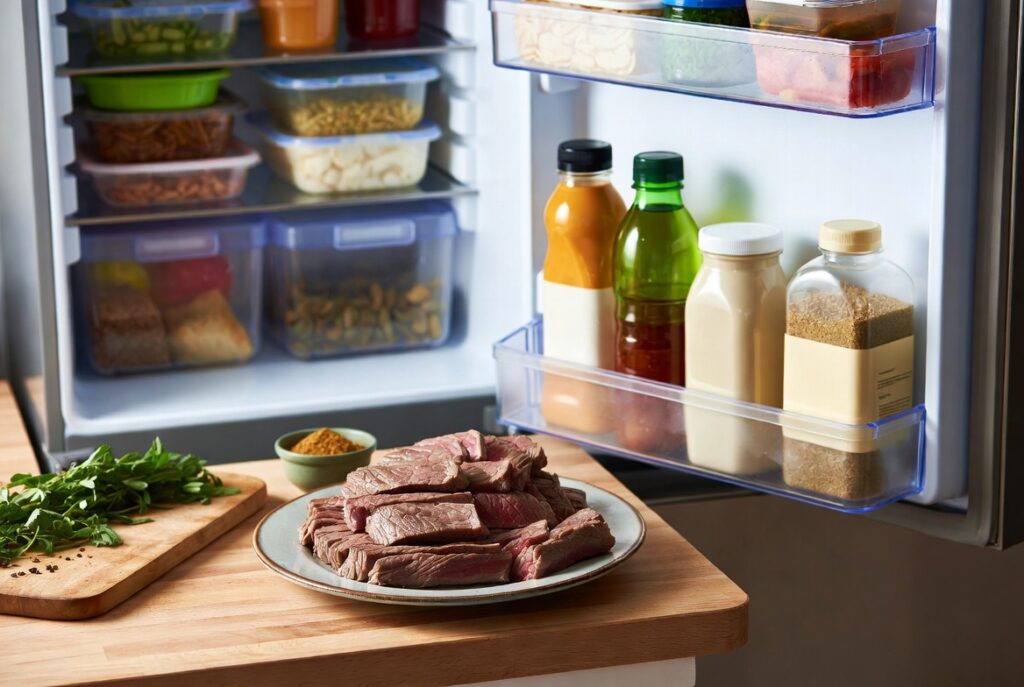
How long does cooked bacon last for in the fridge? Cooked bacon typically remains safe and at its best quality for about 4 to 5 days when properly stored in the refrigerator at 40°F (4°C) or below. This timeframe helps minimize bacterial growth while preserving flavor and texture. Factors like airtight storage, cooling methods, and overall freshness before cooking play key roles in extending usability. Understanding these basics empowers families to reduce waste, enjoy meals mindfully, and uphold principles of gratitude and careful stewardship in daily life.
In today’s busy households, knowing food storage essentials supports healthier routines and peaceful mealtimes. While enjoying savory additions to breakfasts or sandwiches, it’s wise to focus on proper handling that aligns with values of cleanliness and moderation.
In this article
- Why Proper Food Storage Matters for Everyday Wellness
- Factors That Affect How Long Cooked Meats Stay Fresh
- Storage Best Practices for Optimal Freshness
- Creative Ways to Use Stored Cooked Meats Wisely
- Freezing for Longer-Term Enjoyment
- Broader Lessons in Kitchen Stewardship
- Common Mistakes to Avoid
- Building Sustainable Kitchen Habits
- The Science Behind Refrigeration
- Practical Checklist for Safe Storage
- Inspiring a Grateful Approach to Nourishment
- Advanced Tips for Busy Families
- Conclusion: Embracing Mindful Living Through Food Care
Why Proper Food Storage Matters for Everyday Wellness
Food safety is a blessing that allows us to nourish our bodies without unnecessary worry. By learning how to store cooked items correctly, we honor the provisions given to us and teach our families responsible habits. Refrigeration slows down spoilage, but it doesn’t stop it entirely. Airtight containers prevent cross-contamination and maintain moisture balance, keeping food appealing longer.
 Also readHow Early U.S. Couples Start Shopping for Engagement Rings Before the Proposal
For those who follow halal dietary guidelines, similar principles apply beautifully to permissible meats such as chicken, beef, or lamb. The core ideas of cleanliness, timely consumption, and mindful preparation remain universal, fostering a lifestyle rooted in gratitude and health.
Factors That Affect How Long Cooked Meats Stay Fresh
Several elements influence shelf life in the fridge. Temperature consistency is vital—avoid frequent door openings that cause fluctuations. Portioning leftovers into smaller servings cools them faster and reduces the time they linger in the danger zone where bacteria thrive.
Humidity inside the refrigerator also plays a part. Using containers designed for freshness helps. Always label with dates to track usage easily, turning kitchen management into a simple, organized practice.
Cooling Techniques Before Refrigeration
Allow cooked items to cool at room temperature for no more than two hours before placing them in the fridge. Rapid cooling in shallow containers prevents condensation that could lead to sogginess or faster spoilage. This step reflects thoughtful preparation that values both safety and quality.
Signs It’s Time to Discard
Trust your senses: off odors, unusual sliminess, or color changes signal it’s best to compost or discard responsibly. When in doubt, it’s wiser to err on the side of caution, protecting family health and modeling prudence.
Storage Best Practices for Optimal Freshness
To maximize usability, store in airtight glass or BPA-free plastic containers. Vacuum sealing offers excellent results for longer fridge life. Placing items on middle shelves ensures consistent cold air circulation.
For families preparing meals ahead, batch cooking followed by proper chilling supports efficient weekly planning. This approach minimizes waste and leaves more time for meaningful connections around the table.
how long does cooked bacon last for in the fridge remains a common question among home cooks seeking reliability in their routines. Guidelines generally recommend enjoying it within that 4-5 day window for peak enjoyment.
Creative Ways to Use Stored Cooked Meats Wisely
Leftovers inspire creativity in the kitchen. Crumble them into salads, omelets, or hearty soups for added flavor. Pairing with fresh vegetables and wholesome grains creates balanced plates that delight the senses and sustain energy.
Imagine transforming yesterday’s strips into a savory topping for whole-grain flatbreads or mixing into vegetable stir-fries. Such ingenuity turns simple ingredients into joyful family favorites.
Halal-Friendly Alternatives and Adaptations
Many households explore turkey, chicken, or plant-based options that mimic the crisp texture and smoky notes without compromising dietary commitments. These alternatives follow the same storage rules, bringing versatility to meals while staying true to personal values.
Exploring halal meal inspirations from reliable sources can spark new traditions that everyone loves.
Freezing for Longer-Term Enjoyment
For extended storage, freezing is a wonderful solution. Properly wrapped cooked portions can last 1 to 2 months in the freezer with minimal quality loss. Thaw overnight in the fridge for best results, maintaining safety and taste.
This method supports bulk preparation during less busy times, offering convenience without sacrificing wholesomeness.
Reheating Guidelines for Safety and Flavor
Reheat to an internal temperature of 165°F (74°C) to ensure safety. Oven or skillet methods often preserve crispness better than microwaves. Adding a splash of water or broth during reheating revives moisture gently.
Broader Lessons in Kitchen Stewardship
Understanding storage timelines encourages a deeper appreciation for resources. It aligns with teachings that promote balance, avoiding excess while cherishing what sustains us. Simple habits like these build confidence in homemaking and create peaceful environments.
Sharing knowledge with children turns chores into learning opportunities, instilling values of responsibility and care from a young age.
Common Mistakes to Avoid
Leaving items out too long, using improper containers, or ignoring use-by dates can shorten usability. Overcrowding the fridge disrupts airflow. Staying mindful prevents these pitfalls.
Community Wisdom and Shared Experiences
Many home cooks exchange tips on forums, enriching collective knowledge. Learning from others’ successes fosters a sense of connection and continuous improvement.
For more on effective diet planning, consider insights from thoughtful nutrition resources.
Building Sustainable Kitchen Habits
Integrate these practices into daily life gradually. Start with labeling everything, then advance to meal prepping. Over time, they become second nature, supporting a harmonious household.
Exploring global cuisines through travel-inspired flavors, like those from serene destinations, can also inspire new ways to enjoy stored ingredients.
The Science Behind Refrigeration
Cold temperatures inhibit bacterial multiplication. Yet, some spoilage organisms still act slowly, which is why time limits exist. Combining refrigeration with other methods like curing or drying enhances preservation, as explored in traditional food wisdom.
Practical Checklist for Safe Storage
- Cool promptly after cooking.
- Use airtight, labeled containers.
- Maintain fridge temperature.
- Check regularly for freshness.
- Freeze extras proactively.
Following this checklist brings peace of mind to meal times.
Inspiring a Grateful Approach to Nourishment
Every meal is an opportunity to express thankfulness. By managing portions and storage wisely, we reduce waste and amplify enjoyment. This mindset transforms routine tasks into acts of care and mindfulness.
Whether preparing simple family breakfasts or gathering for weekend brunches, knowledge of freshness timelines ensures everything tastes its best.
Advanced Tips for Busy Families
Invest in quality storage solutions like glass sets or silicone lids. Organize the fridge by type for quick access. Involve everyone in the process to share the load and build teamwork.
For reliable background on preservation techniques, refer to Wikipedia’s overview of food storage.
Conclusion: Embracing Mindful Living Through Food Care
Mastering how long cooked items last empowers confident, joyful cooking. It nurtures health, reduces waste, and deepens appreciation for daily blessings. Apply these tips consistently, and watch your kitchen become a hub of warmth, creativity, and wholesome abundance.

Get in Touch We welcome your feedback, inquiries, suggestions, and news tips. Whether you are a reader, advertiser, or business partner, our team is here to assist you. Email: businesstomark@gmail.com