How to Choose the Right SS Fasteners for Your Project
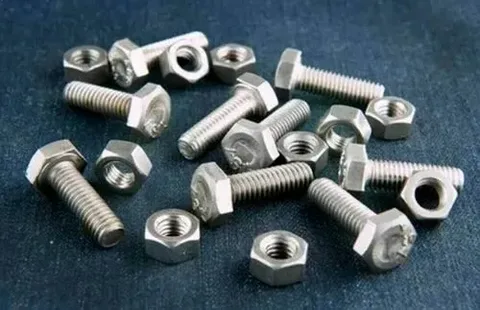
A structure or piece of equipment is only as reliable as the fasteners holding it together. Choosing the wrong ss fasteners material for the environment it’s exposed to can lead to corrosion, loosening, or outright failure long before the rest of the assembly shows signs of wear. Structural reliability, corrosion protection, and long-term performance all trace back to this one decision more often than most people expect. Stainless steel fasteners have become the default choice across countless industrial and construction applications precisely because they handle demanding conditions that carbon steel alternatives can’t. Understanding what makes Durable Stainless Steel Fasteners the right fit for a specific project takes weighing several factors together, not just picking the first grade that comes to mind.
In this article
- What Are SS Fasteners?
- Key Factors to Consider When Choosing SS Fasteners
- Choosing the Right Stainless Steel Grade
- Types of Stainless Steel Bolts and Nuts
- Applications of Corrosion Resistant SS Fasteners
- Common Mistakes to Avoid When Selecting SS Fasteners
- How to Choose a Reliable SS Fastener Supplier
- Conclusion
What Are SS Fasteners?
Stainless steel fasteners include bolts, nuts, screws, washers and other fastener components made from corrosion-resistant stainless alloys that are naturally more durable and corrosion-resistant, with the structure of components, equipment, or assemblies. The most common grades are SS 304, 316 and 304L; each has different levels of corrosion resistance and strength to be used in different service conditions. There are a variety of fastener types available, such as hex bolts, anchor bolts, and stud fasteners with special designs, suitable for joining in diverse construction and industrial applications.
Compared to conventional carbon steel fasteners, stainless steel options resist rust and general corrosion far more effectively, hold up better in outdoor or chemically exposed environments, and typically require significantly less maintenance over their service life.
 Also readHow Early U.S. Couples Start Shopping for Engagement Rings Before the Proposal
Key Factors to Consider When Choosing SS Fasteners
Grade selection comes first, since not every stainless grade performs the same way across different environments. Corrosion and environmental exposure humidity, chemical contact, saltwater proximity determine how aggressive that environment actually is and what level of resistance the fastener genuinely needs.
Load and strength requirements shape which fastener size and thread type will actually hold up under the application’s mechanical demands, and fastener dimensions need to match the assembly’s engineering specifications precisely. Thread form and compatibility with mating elements avoid installation problems, and temperature conditions influence the materials properties as well as the selection of the thread lubrication. Installation procedures, torque values, and accessibility considerations as well as required special tools or equipment should also be considered early.
Choosing the Right Stainless Steel Grade
SS 304 is recommended for general purpose and provides good corrosion resistance for indoor and mild outdoor environments. SS 316 is the standard molybdenum-containing austenitic stainless steel, which offers better corrosion resistance, especially in marine and chloride-rich environments. More advanced grades are required in demanding environments – high temperature service, aggressive chemical exposure, or where the consequences of fastener failure would be severe.
Types of Stainless Steel Bolts and Nuts
Hex bolts remain the most common fastener type across general construction and industrial assembly work. Nuts and washers complete the basic bolted connection, while socket head screws suit applications needing a lower-profile fastener or recessed installation. Anchor fasteners secure components into concrete or masonry, stud bolts handle flanged connections in piping systems, and several other specialized types fill more specific joining needs across different industries.
Applications of Corrosion Resistant SS Fasteners
Construction projects rely on stainless fasteners wherever long-term structural integrity matters, particularly in exposed or weather-affected locations. Chemical processing and food processing facilities specify stainless hardware for its resistance to both corrosion and contamination. Marine applications depend on these fasteners almost by necessity, given constant saltwater exposure, while oil and gas operations use them across piping and equipment assemblies facing harsh process conditions. Infrastructure projects and outdoor equipment are also common use cases, especially in environments where sustained exposure would quickly degrade standard fasteners.
Common Mistakes to Avoid When Selecting SS Fasteners
Selecting the wrong grade for the actual environment is one of the most frequent mistakes, often driven by assuming any stainless fastener will perform the same regardless of exposure conditions. Mismatched materials between the fastener and the components it’s joining can create galvanic corrosion issues over time. Wrong dimensions, inadequate strength for the applied load, and ignoring corrosion conditions during the initial selection all create problems that surface well after installation. Purchasing fasteners without proper certification rounds out the list a mistake that becomes especially costly on projects requiring documented compliance.
How to Choose a Reliable SS Fastener Supplier
Look for evidence of consistent manufacturing standards across orders. Material traceability and dimensional accuracy confirm that what arrives matches what was specified, and proper testing and certifications back that up with documentation. Stock availability affects project timelines directly, and the ability to customise fasteners for non-standard applications. Delivery reliability closes the loop, since even correctly specified fasteners are only useful if they arrive on schedule.
Conclusion
Choosing the right SS fasteners for a project involves matching grade, strength, dimensions, corrosion resistance, and application requirements to the real conditions the hardware will face in service. Getting this selection right isn’t just a technical formality; it directly improves safety, durability, and overall project performance, while getting it wrong tends to surface as a costly problem well after installation is complete.

Covers business ideas, small business finance and technology for Business Recorder.