How to Select the Right Stainless Steel Coil for Industrial Applications
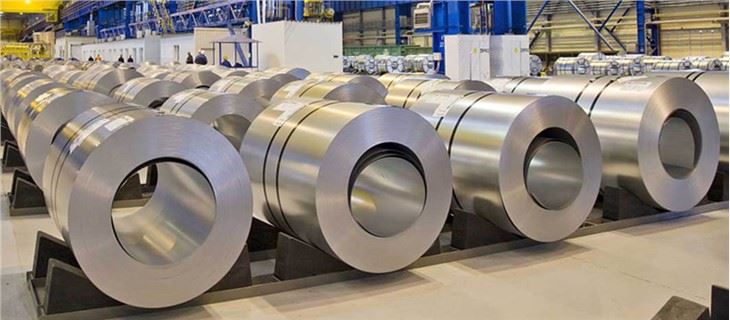
Stainless steel coils are widely used across automotive, manufacturing, construction, engineering, appliances, and industrial processing because they offer a combination of corrosion resistance, durability, formability, and heat resistance. However, selecting the right stainless steel coil is not simply about choosing a particular thickness or grade.
The right coil depends on factors such as the operating environment, required mechanical properties, fabrication process, temperature exposure, surface finish, dimensions, and application requirements. Ferritic grades such as 409, 430, and 439 are commonly selected for different industrial applications based on their individual properties.
In this article
- What Is a Stainless Steel Coil?
- 1. Identify the Application
- 2. Choose the Appropriate Stainless Steel Grade
- 3. Consider Corrosion Resistance
- 4. Check Temperature Requirements
- 5. Evaluate Formability and Fabrication Requirements
- 6. Consider Welding Requirements
- 7. Select the Correct Thickness and Width
- 8. Choose the Appropriate Surface Finish
- 9. Consider Material Standards and Documentation
- 10. Compare Total Cost Instead of Only Price
- Final Thoughts
What Is a Stainless Steel Coil?
A stainless steel coil is a continuous strip of stainless steel that is rolled into a coil for convenient storage, transportation, processing, and fabrication. Depending on the manufacturing process, stainless steel coils can be supplied in hot-rolled or cold-rolled conditions and with different surface finishes.
 Also readHow Early U.S. Couples Start Shopping for Engagement Rings Before the Proposal
Coils can subsequently be slit, cut, stamped, formed, welded, or processed into components according to specific industrial requirements.
Because stainless steel grades have different chemical compositions and properties, choosing the correct grade is an important part of industrial material selection.
1. Identify the Application
The first step is to understand where and how the stainless steel coil will be used.
Consider questions such as:
- Will the material be exposed to moisture or chemicals?
- Will it operate at elevated temperatures?
- Does the component require welding?
- Will the coil undergo bending, stamping, or forming?
- Is surface appearance important?
- Will the material be used indoors or outdoors?
- What level of corrosion resistance is required?
For example, SS 409 is commonly associated with automotive exhaust applications where oxidation and heat resistance are important, while SS 430 is widely used for general-purpose applications and appliances.
2. Choose the Appropriate Stainless Steel Grade
Grade selection is one of the most important decisions when purchasing stainless steel coils.
SS 409
SS 409 is a ferritic stainless steel commonly used where heat and oxidation resistance are required at a relatively economical material cost. It is particularly associated with automotive exhaust components.
SS 430
SS 430 is a widely used ferritic grade containing approximately 14–18% chromium. It provides good corrosion resistance for many mild environments and is used in appliances, architectural components, kitchen equipment, and general industrial applications.
SS 439
SS 439 is a stabilized ferritic grade designed to provide improved performance in applications where welding and forming are important. It is used in applications including exhaust components, heat exchangers, and welded structures.
SS 444 and Other Higher-Alloy Ferritic Grades
Where increased resistance to localized corrosion is required, grades containing molybdenum, such as 444, may be considered. These grades can be suitable for applications involving more demanding corrosion conditions.
The important point is that there is no single stainless steel grade that is ideal for every industrial application.
3. Consider Corrosion Resistance
The operating environment should be carefully evaluated before selecting a stainless steel coil.
Factors that can influence corrosion performance include:
- Humidity
- Salt exposure
- Chlorides
- Chemicals
- Industrial pollutants
- Temperature
- Outdoor exposure
- Cleaning agents
Ferritic stainless steels generally provide useful corrosion resistance, but performance varies significantly between grades. Higher-chromium or molybdenum-containing grades can provide greater resistance in more demanding environments.
Therefore, selecting a grade based only on its price can result in higher maintenance or replacement costs later.
4. Check Temperature Requirements
Temperature exposure is another important consideration.
Industrial components may experience:
- Continuous high temperatures
- Intermittent heating
- Thermal cycling
- Oxidizing atmospheres
- Rapid temperature changes
Grades such as SS 409 are commonly used in automotive exhaust systems because of their resistance to high-temperature oxidation, while higher-alloy ferritic grades can be selected for more demanding heat and scaling conditions.
The maximum operating temperature should therefore be considered before finalizing the coil grade.
5. Evaluate Formability and Fabrication Requirements
The stainless steel coil may need to undergo several fabrication processes after purchase.
These may include:
- Roll forming
- Bending
- Stamping
- Deep drawing
- Cutting
- Slitting
- Welding
If the finished component requires extensive forming, the grade should have suitable ductility and formability.
Stabilized ferritic grades such as 439 can offer advantages in applications where welding and fabrication are important.
Understanding the complete manufacturing process helps avoid selecting a grade that performs well in service but is difficult to fabricate.
6. Consider Welding Requirements
Welding can affect the performance of stainless steel, particularly in ferritic grades.
The welding process, heat input, component thickness, and grade composition should all be considered during material selection.
Stabilized ferritic grades containing elements such as titanium or niobium can be advantageous for certain welded applications because stabilization helps reduce problems associated with carbide precipitation.
If the final product requires extensive welding, discuss the fabrication process with the stainless steel supplier before selecting the coil.
7. Select the Correct Thickness and Width
Grade alone does not determine whether a stainless steel coil is suitable.
You should also specify:
- Thickness
- Coil width
- Inside diameter
- Outside diameter
- Coil weight
- Length, where applicable
- Dimensional tolerances
The required dimensions should be based on the manufacturing equipment and final component design.
Incorrect thickness or width can result in additional processing, material waste, or production problems.
8. Choose the Appropriate Surface Finish
Surface finish can be important for both functional and aesthetic reasons.
Depending on the application, buyers may require a particular finish suitable for:
- Appliance panels
- Automotive components
- Architectural applications
- Fabricated industrial parts
- Further polishing or finishing
For applications where appearance is important, surface quality, uniformity, and cleanliness should be specified clearly in the purchase requirements.
9. Consider Material Standards and Documentation
Industrial buyers should verify that the stainless steel coil meets the required specification or standard for the application.
Important documentation may include:
- Material Test Certificate (MTC)
- Chemical composition
- Mechanical properties
- Heat number
- Dimensional inspection
- Applicable standards
- Inspection reports
Having appropriate documentation helps manufacturers verify that the material received matches the specified grade and requirements.
10. Compare Total Cost Instead of Only Price
The lowest quoted price does not always represent the lowest overall cost.
When comparing stainless steel coils, consider:
Total cost = Material price + Processing + Transportation + Waste + Maintenance + Replacement
A less expensive grade may not provide sufficient corrosion or temperature resistance for the application. Conversely, selecting a significantly higher-grade material than necessary can increase procurement costs without providing meaningful benefits.
The objective should be to select the most suitable grade for the actual operating conditions.
Final Thoughts
Selecting the right stainless steel coil requires more than comparing prices between suppliers. The grade, corrosion environment, temperature, fabrication process, dimensions, surface finish, and applicable standards should all be evaluated before purchasing.
Ferritic stainless steel grades such as 409, 430, and 439 offer different combinations of heat resistance, corrosion resistance, formability, and fabrication performance, making them suitable for different industrial requirements.
A well-defined material specification can help manufacturers reduce processing issues, improve product performance, and achieve better long-term value from their stainless steel coil investment.

Covers business ideas, small business finance and technology for Business Recorder.