The State of 9/11 Community Service in America 25 Years Later
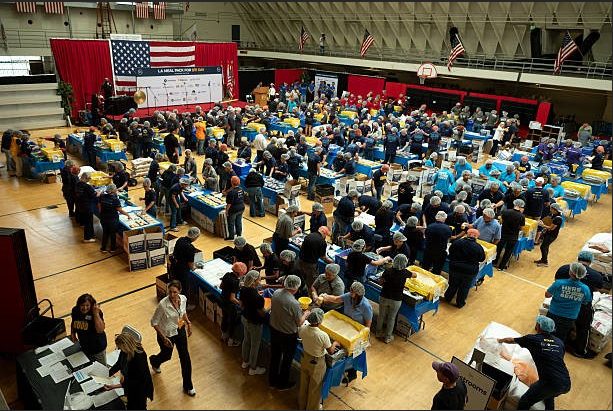
What does remembrance look like when millions of Americans know September 11 only through family stories, classrooms, and screens? Twenty-five years later, the answer is becoming more active and personal. 9/11 community service is no longer limited to a single type of volunteer event or commemorative gathering. People are finding ways to honor the day through local action, education, kindness, and creative participation. That evolution matters because keeping a national memory meaningful now depends on giving people of different ages, schedules, and experiences a genuine way to take part.
Key Takeaways
Local action gives remembrance a visible purpose, and national meaning becomes more relatable when service addresses need close to home.
Younger generations need connection, not just information. Personal accounts and thoughtful activities make history easier to understand.
 Also readHow Early U.S. Couples Start Shopping for Engagement Rings Before the Proposal
New participation formats are widening access, kindness initiatives, neighborhood efforts, and creative projects offer different ways to contribute.
6 Ways 9/11 Community Service Has Evolved After 25 Years
Across the USA, the 25th anniversary is entering a new phase, one focused on preserving meaning while widening participation. People are connecting remembrance with action in different ways, from organized service and classroom learning to neighborhood efforts and creative initiatives.
Local Service Takes Root
Twenty-five years later, the impact of remembrance is becoming more visible in the communities where people live and serve. AmeriCorps highlights 25 years of remembrance through the 9/11 Day of Service, focusing on meeting immediate community needs and creating opportunities for continued volunteering.
That gives 9/11 community service a practical role beyond the anniversary itself. Local projects can support food access, veterans, first responders, schools, or shared public spaces, while also giving participants a reason to stay involved afterward. The real outcome is continuity. When remembrance leads to useful local action and encourages future participation, the 25th anniversary becomes more than a milestone. It becomes a way to strengthen community ties that can last well beyond September 11.
Personal Stories Bridge Generations
For Gen Alpha, September 11 is history rather than memory. Dates and timelines can explain what happened, but they do not always show what the experience felt like or how people responded to one another.
That is where stories of kindness after September 11 become especially useful. The 2026 Anniversary Digital Learning Experience from the 9/11 Memorial & Museum combines firsthand accounts, film, and interaction with museum educators. Instead of treating the anniversary as a distant historical event, this approach introduces younger viewers to real people, choices, and consequences. Personal testimony gives students an emotional entry point while keeping the historical context grounded and credible.
Classrooms Make History Relevant
Schools now have a larger role in shaping how September 11 is understood because every K–12 student was born after the attacks. That means 9 11 lesson plans need to do more than summarize events.
Current educator resources and professional development from the 9/11 Memorial & Museum use inquiry-based learning, artifacts, and age-appropriate discussions to help students explore the subject thoughtfully. Teachers can extend that learning through 11 Days of Kindness for Kids, which provides younger learners with practical ways to connect reflection to everyday behavior. The classroom then becomes a place where history is understood, discussed, and translated into something personally meaningful.
Kindness Creates a Ripple
Not every contribution has to begin with a formal volunteer assignment. Sometimes the most accessible way to participate is through one deliberate act that encourages another person to do the same.
The 11 Days of Kindness initiative reflects that idea by encouraging people to perform good deeds and invite recipients to continue the chain. For the 25th anniversary, the initiative is working toward at least 25,000 acts of kindness. That gives 9/11 community service a more personal dimension. A meal, favor, donation, or thoughtful gesture may seem small on its own, but the ripple model means each action can travel beyond the person who started it.
Neighborhood Efforts Build Connection
Community support becomes easier to relate to when people can shape it around places and relationships they already know. A neighborhood, workplace, school group, or family can respond to local needs without turning the effort into a large event.
That makes 9 11 community support especially adaptable. A school might gather supplies for a local nonprofit, coworkers could recognize public-service employees, or residents could coordinate help for nearby families. Groups wanting more structure can use Six Steps for Organizers to plan participation, communication, and follow-through. The benefit is not scale for its own sake; it is giving people enough organization to turn a good intention into coordinated community action.
Creative Participation Opens Doors
Some people connect with remembrance more naturally through music, storytelling, or shared digital experiences than through a traditional service event. Twenty-five years later, those formats can help bring new participants into the conversation.
The Be Kind initiative offers one example. A cappella groups are being invited to perform “Be Kind,” participate in kindness activities, and contribute to a virtual choir connected with the 2026 anniversary. For 9/11 community service, creativity can work as an entry point rather than an endpoint. A song, video, or collaborative project can draw someone in, while the service connected to it gives the experience purpose beyond awareness alone.
Wrap Up
A quarter-century later, the challenge is not simply remembering September 11 – it is helping new generations understand why that memory still matters. 9/11 community service is evolving because the people participating in it are changing, too.
Local projects, personal testimony, classroom learning, kindness, neighborhood coordination, and creative expression each provide a different route into remembrance. None needs to replace traditional commemoration. Together, they can help keep its purpose relevant. The strongest path forward may be simple – understand the meaning, choose something useful to do, and make it easier for someone else to continue.
FAQs
Why does 9/11 community service still matter today?
It turns remembrance into useful action while helping younger Americans connect meaningfully with the history of September 11.
Can lesson plans about kindness support 9/11 education?
Yes, lesson plans on being kind can reinforce accurate history, thoughtful reflection, personal stories, and age-appropriate classroom discussion.
How can families participate in 9/11 remembrance?
Families can support local causes, help neighbors, thank first responders, or complete meaningful acts of kindness together.

Covers business ideas, small business finance and technology for Business Recorder.