Dinner Suit vs Business Suit A Complete StoryDinner Suit vs Business Suit A Complete Story
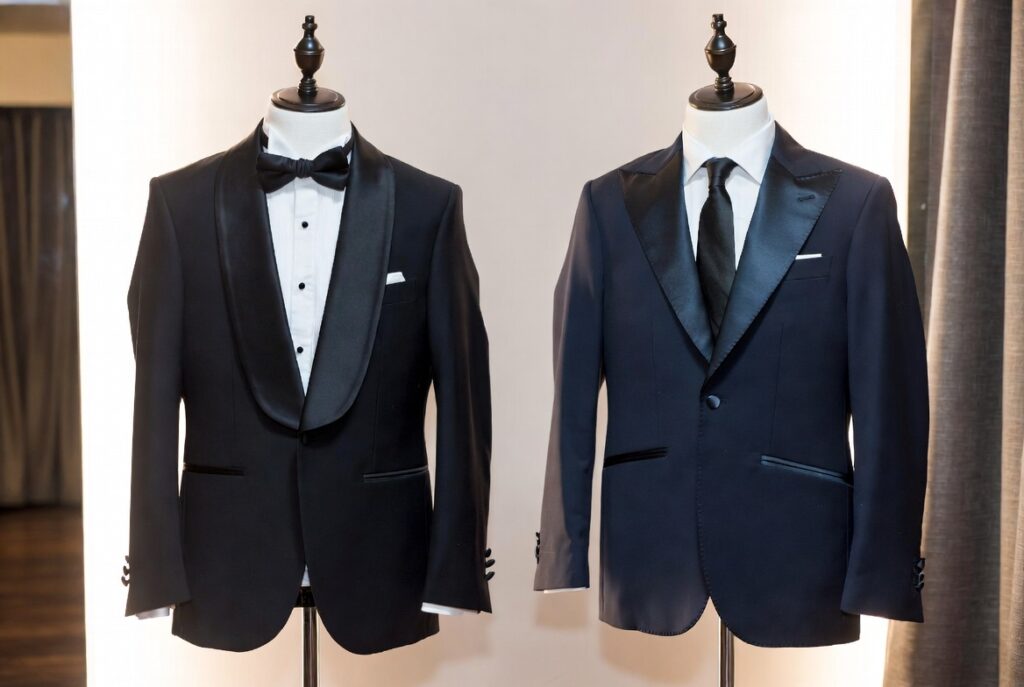
Understanding dinner suit vs business suit is essential for dressing appropriately and confidently. A dinner suit, often known as a tuxedo in some regions, is elegant evening wear featuring distinctive satin or grosgrain lapels, matching trousers with side stripes, and a sophisticated bow tie, reserved for after-six events like dinners, galas, and celebrations. In contrast, a business suit is a versatile, professional ensemble typically made from matte wool or similar fabrics with notch or peak lapels, designed for daytime office meetings, conferences, and everyday professional settings. Both serve important roles in a gentleman’s wardrobe, reflecting respect for the occasion, modesty, and personal dignity.
This complete guide explores their histories, design elements, when to wear each, and practical tips for building a timeless collection that aligns with values of integrity and excellence.
In this article
- The Rich History Behind Formal Attire Choices
- Understanding Design Differences: Fabrics, Cuts, and Details
- When to Wear a Business Suit: Professional Excellence
- Evening Elegance: The Role of the Dinner Suit
- Dinner Suit vs Business Suit: Direct Comparison for Informed Choices
- Styling Tips for Modesty and Confidence
- Caring for Your Suits: Longevity and Respect
- Building a Versatile Wardrobe
- Common Mistakes to Avoid
- The Timeless Appeal of Thoughtful Dressing
- Frequently Asked Questions
The Rich History Behind Formal Attire Choices
Formal clothing has always mirrored cultural shifts and social expectations. The business suit evolved from 19th-century tailoring traditions, emphasizing practicality and professionalism during the rise of modern commerce and industry. It became a symbol of reliability and focus, ideal for building trust in professional environments.
 Also readCash Flow Forecasting for Small Businesses: A Simple 13-Week Method That Prevents Surprises
The dinner suit traces its roots to the Victorian era. Legend has it that the Prince of Wales (later King Edward VII) sought a more comfortable alternative to full tailcoats for evening meals at his country estate. Tailor Henry Poole created a shorter jacket with satin accents, birthing what we now recognize as the dinner suit. This innovation spread across Europe and beyond, becoming synonymous with refined evening gatherings.
Both garments embody timeless principles of modesty and respect, qualities highly valued in nurturing strong communities and family bonds.
Understanding Design Differences: Fabrics, Cuts, and Details
Key Fabric and Construction Variations
Business suits prioritize durability and versatility. They often use worsted wool, flannel, or blends in navy, charcoal, or subtle patterns. The fabric has a matte finish, allowing it to transition seamlessly from boardrooms to client lunches without drawing undue attention.
Dinner suits, however, incorporate luxurious elements like satin-faced lapels and buttons. The trousers usually feature a silk or grosgrain stripe along the outer seam, adding subtle elegance visible under evening lights. Colors lean toward classic black or midnight blue, though white variations appear for summer events.
Lapels, Buttons, and Silhouette
- Business suits commonly feature notch lapels, two or three buttons, and structured shoulders for a polished, authoritative look.
- Dinner suits showcase shawl or peak lapels with satin facing, single-button closure, and a more relaxed yet refined silhouette.
These distinctions ensure each outfit communicates the right message—competence in business and graceful celebration in evenings.
When to Wear a Business Suit: Professional Excellence
A well-tailored business suit is the foundation of a successful career. It conveys seriousness, attention to detail, and respect for colleagues and clients. Ideal scenarios include:
- Important meetings and presentations
- Job interviews and networking events
- Court appearances or formal daytime functions
- Weddings during daytime hours (in lighter shades)
Pair it with a crisp dress shirt, conservative tie, leather belt, and polished oxford shoes. Accessories like a quality watch or simple cufflinks enhance the ensemble without excess. In many professional settings, opting for darker tones reflects humility and focus on substance over show.
For those managing dynamic careers, exploring resources on business process automation can complement your sharp appearance by streamlining daily operations efficiently.
Evening Elegance: The Role of the Dinner Suit
Dinner suits shine at formal evening occasions where celebration and connection take center stage. Think family milestone events, charitable fundraisers, or intimate dinners with loved ones. The satin details catch light beautifully, creating a warm, inviting presence.
Traditional pairings include a white dress shirt (often with French cuffs), black bow tie, cummerbund or waistcoat, and patent leather shoes. This combination promotes an atmosphere of joy and mutual respect, perfect for strengthening family ties and community relationships.
Dinner Suit vs Business Suit: Direct Comparison for Informed Choices
Around the midpoint of our discussion on attire, the dinner suit vs business suit choice often depends on timing and context. While a business suit offers all-day practicality, a dinner suit elevates special moments with its ceremonial flair. Mixing elements—like wearing a dinner jacket with business trousers—is sometimes done creatively but requires careful judgment to maintain harmony.
Business suits are more affordable and versatile for daily use, while dinner suits represent an investment in memorable experiences. Both encourage mindful consumption, favoring quality pieces that last for years rather than fleeting trends.
Styling Tips for Modesty and Confidence
Accessorizing Thoughtfully
For business suits, choose ties in solid colors or subtle patterns that reflect professionalism. Socks should match trousers, and shoes remain clean and comfortable.
Dinner suits call for minimalism: a simple pocket square, elegant studs, and perhaps a watch with a leather strap. Avoid flashy items that distract from the gathering’s purpose.
Fit and Tailoring Matter Most
Proper fit is non-negotiable. Shoulders should sit naturally, sleeves end at the wrist bone, and trousers break gently over shoes. A skilled tailor can adjust any suit to flatter your posture, promoting comfort and poise.
Investing in classic styles supports sustainable choices, reducing waste and encouraging gratitude for well-made goods.
Caring for Your Suits: Longevity and Respect
Both garments deserve proper maintenance. Brush suits after wear, hang them on wooden hangers, and steam rather than iron frequently. Store in breathable garment bags away from direct sunlight. Professional dry cleaning once or twice a year keeps fabrics fresh.
Such care reflects responsibility and appreciation for blessings in our lives.
Building a Versatile Wardrobe
Start with one high-quality navy or charcoal business suit. Add a black dinner suit for evening versatility. Over time, expand with complementary pieces like vests or seasonal fabrics. This approach balances professional needs with opportunities for wholesome social connection.
Many professionals find that refined appearance boosts self-confidence, enabling them to contribute positively in their fields. Insights from platforms like remote business management highlight how dressing well supports productivity across various work environments.
For deeper historical context on formal wear, consider the comprehensive entry on Black tie attire which details its evolution.
Common Mistakes to Avoid
- Wearing a dinner suit to a daytime business event (too formal)
- Choosing a shiny business suit for evenings (lacks the right accents)
- Ill-fitting garments that undermine confidence
- Over-accessorizing, which can distract from inner character
Focus on appropriateness, comfort, and alignment with personal values.
The Timeless Appeal of Thoughtful Dressing
Ultimately, whether selecting a dinner suit or business suit, the goal remains presenting oneself with dignity and respect. These choices influence how we interact with others—fostering trust in business dealings and warmth in personal celebrations. In a world that values authenticity, dressing mindfully supports living with purpose and gratitude.
By understanding these garments, you equip yourself not just with clothing, but with tools for positive engagement in all spheres of life. Embrace the journey of refining your style as part of continuous self-improvement and community contribution.
Frequently Asked Questions
Can I wear a business suit to a dinner event? Yes, a dark business suit works for less formal dinners, though a dinner suit offers greater elegance for black-tie invitations.
What colors are best for beginners? Navy and charcoal for business suits; classic black for dinner suits.
How do I transition between styles? Build a core wardrobe and layer accessories appropriately for different times of day.
Are there cultural considerations? Yes, always prioritize modesty and respect local customs when attending events.

Get in Touch We welcome your feedback, inquiries, suggestions, and news tips. Whether you are a reader, advertiser, or business partner, our team is here to assist you. Email: businesstomark@gmail.com